 NEWS
Turkmen Ambassador delivers lecture to Dutch students on neutrality, culture and international cooperation
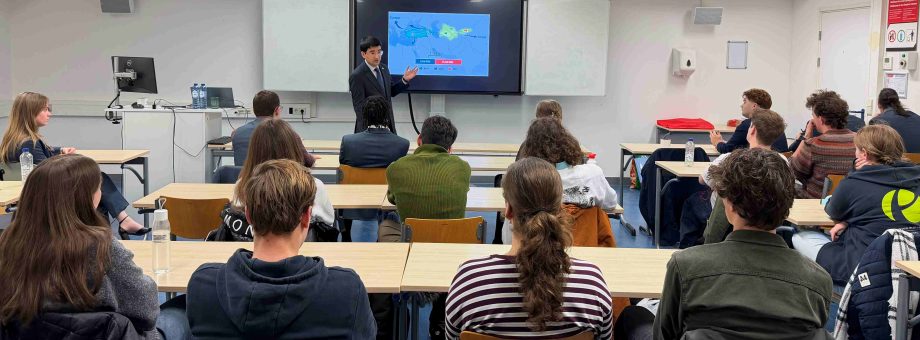
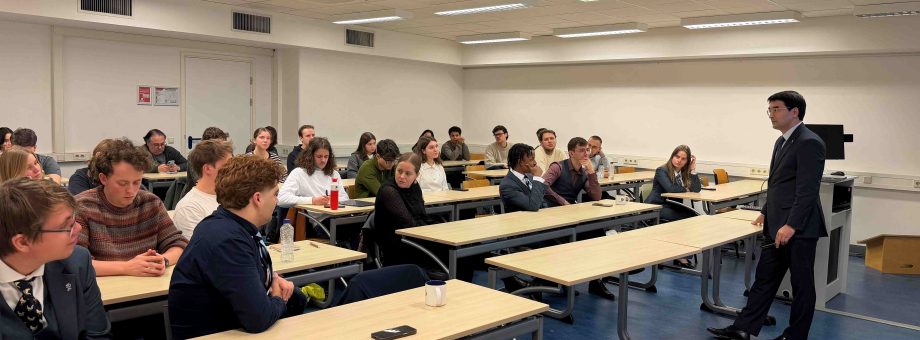
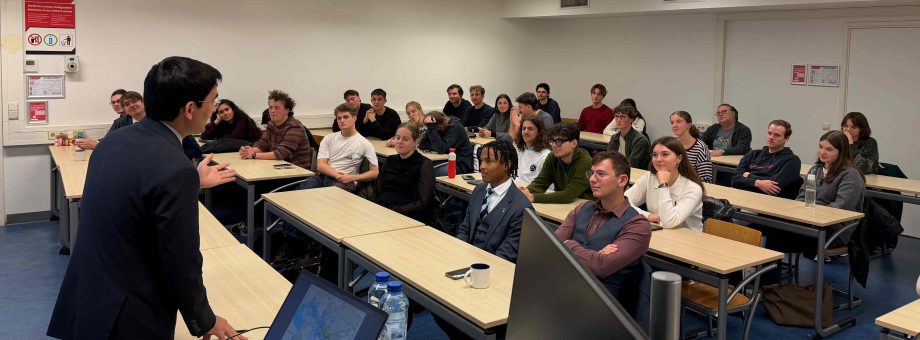
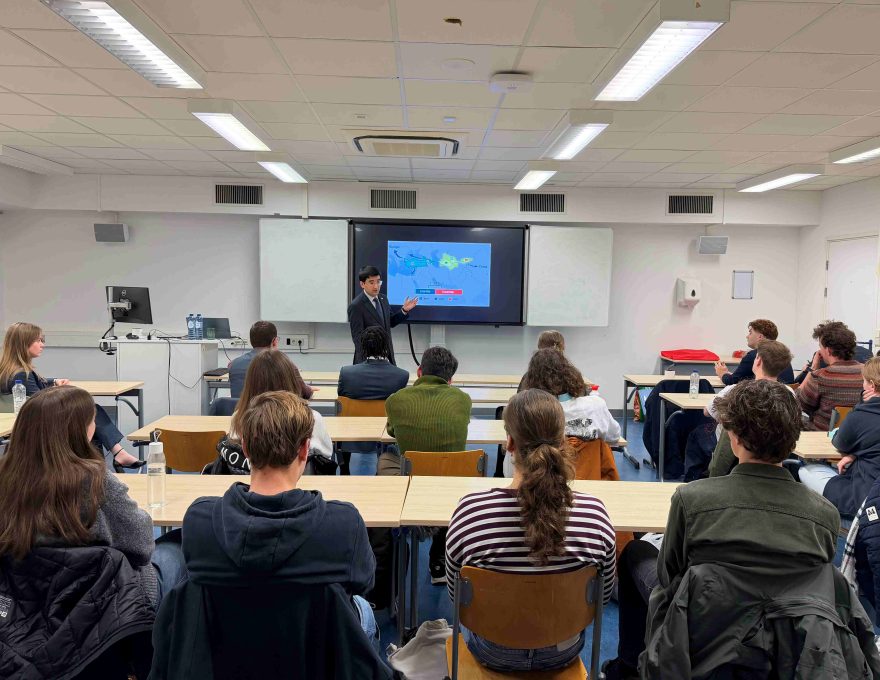
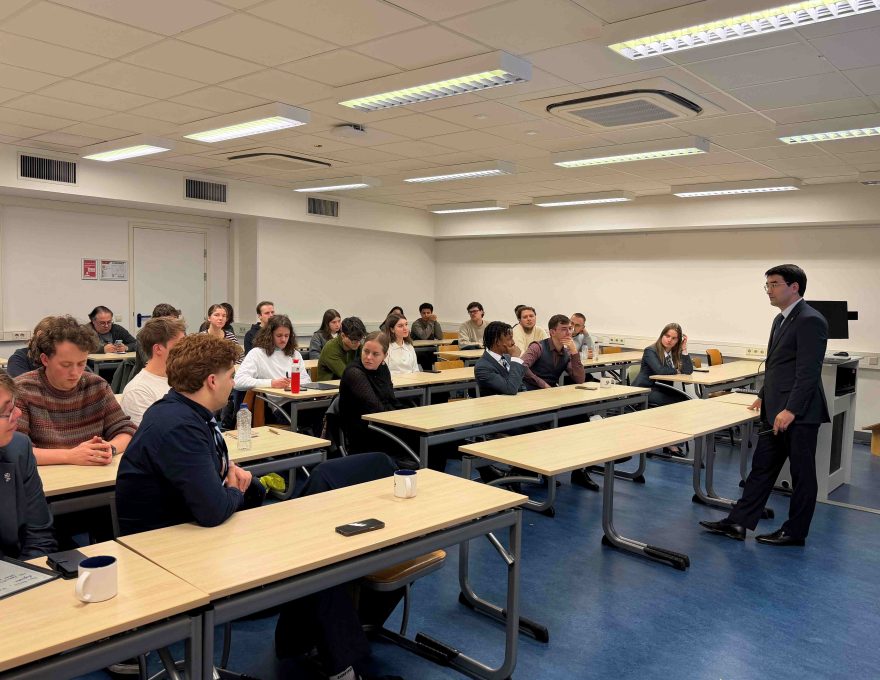
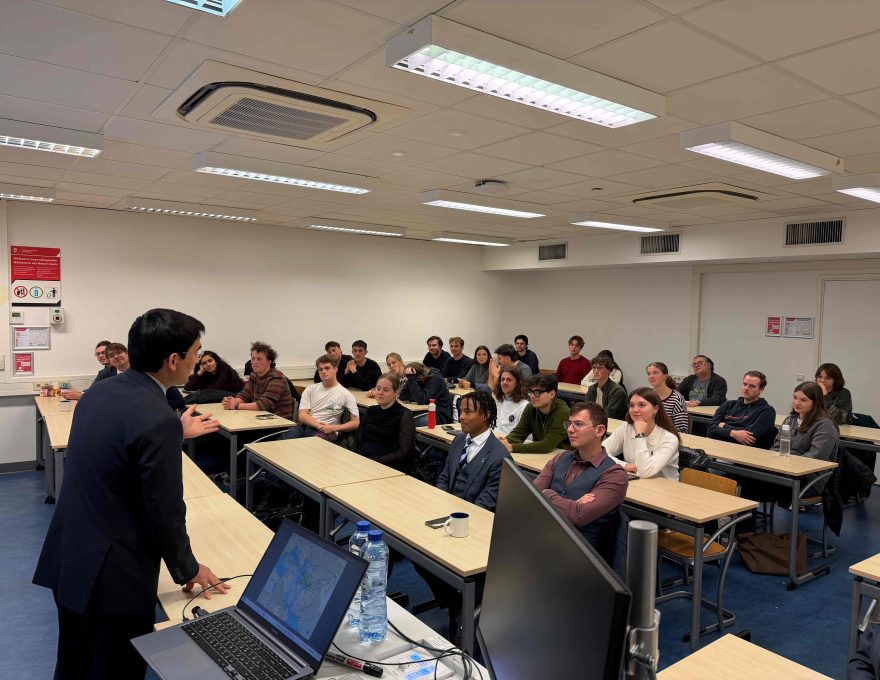
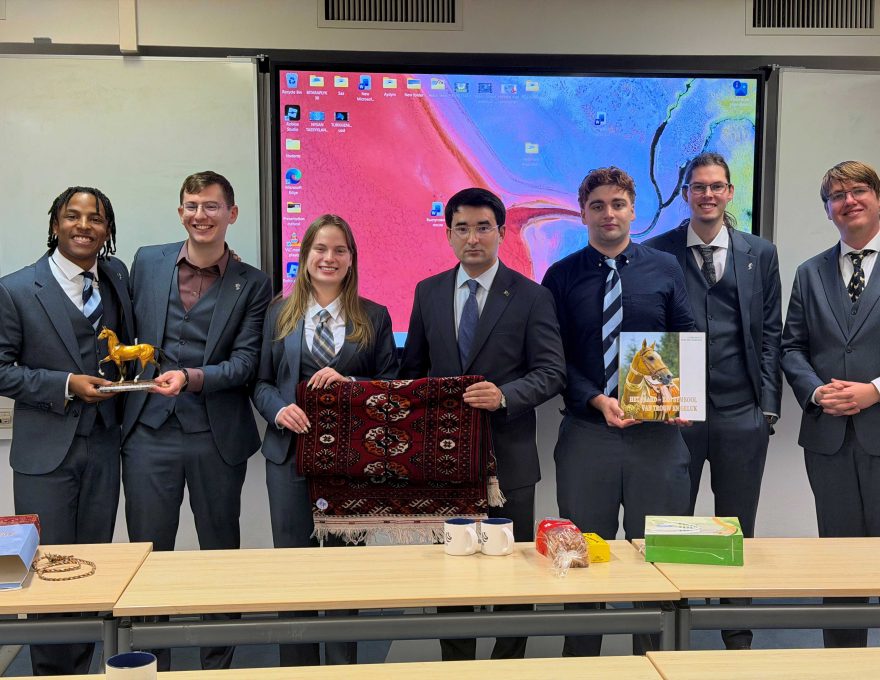
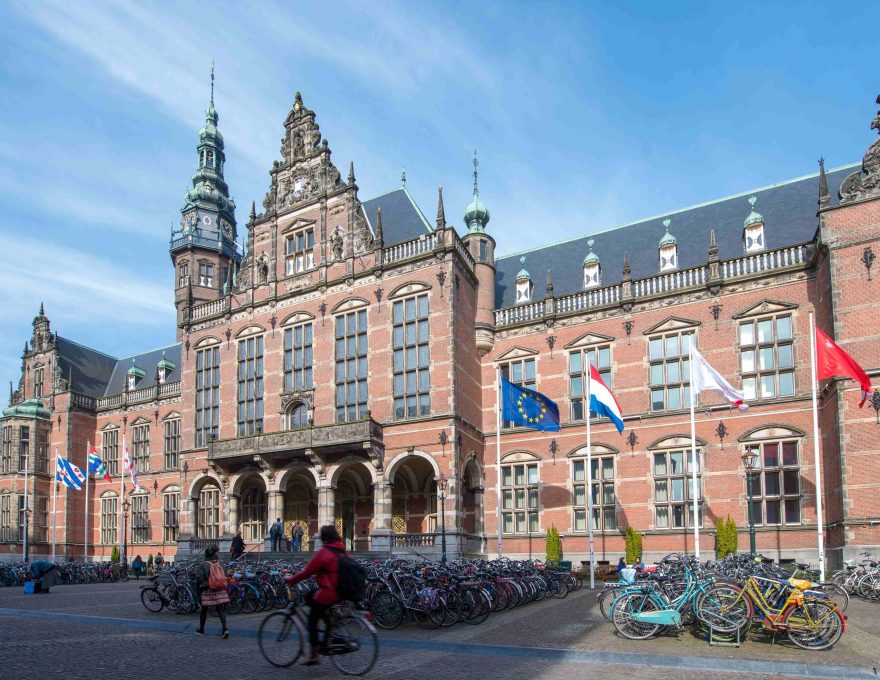
Ambassador of Turkmenistan Sapar Palvanov delivered a lecture at the University of Groningen in the Netherlands, exploring Turkmenistan’s history and cultural heritage, its foreign policy and opportunities for cooperation with European partners.
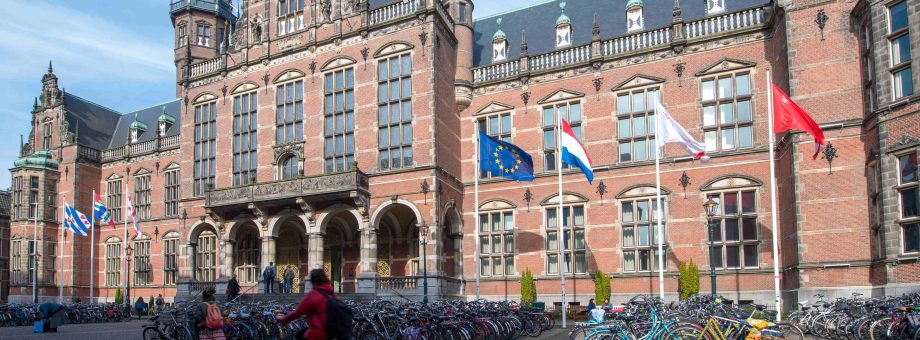
Founded in 1614, the University of Groningen is one of the oldest universities in the Netherlands, with more than four centuries of teaching and research. Its distinguished academic community has included Nobel laureates, the first Dutch astronaut, Wubbo Ockels, and the first President of the European Central Bank, Wim Duisenberg. A special place in its history belongs to Aletta Jacobs, who began studying medicine there in 1871 and pioneered women’s access to a full university education in the Netherlands. Today, the university combines its rich academic heritage with international cooperation in research and education.
The lecture took an interactive approach. Ambassador Palvanov opened by inviting students to imagine themselves responsible for a country that had gained independence in 1991 and to consider which foreign-policy course they would choose, given Turkmenistan’s geography and regional environment. This exercise engaged the audience in a discussion of independence, security and relations with neighbouring countries.
Explaining the reasons behind Turkmenistan’s choice of permanent neutrality, the Ambassador outlined its practical role in the country’s diplomacy. He focused on maintaining dialogue, supporting peace negotiations and providing humanitarian assistance. Through concrete examples, he illustrated Turkmenistan’s policy of active, positive neutrality and its commitment to constructive cooperation with international partners.
A separate part of the lecture addressed Central Asia’s growing importance to Europe. Topics included transport connectivity, energy and opportunities for cooperation in water management, agriculture and education. Ambassador Palvanov also shared his observations on the development of relations between Turkmenistan and the European Union during his diplomatic service in Brussels.
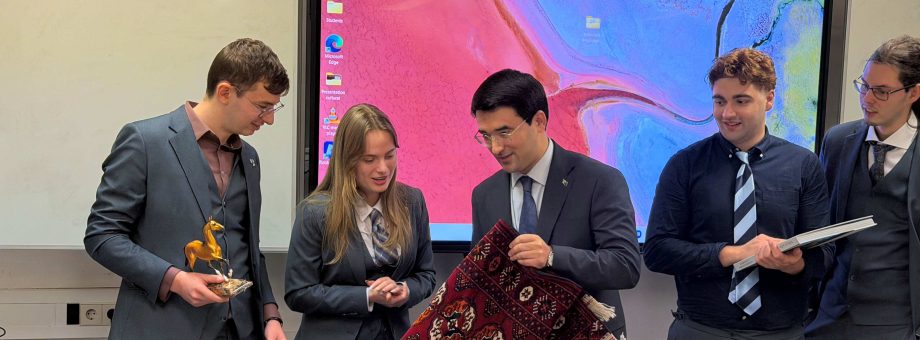
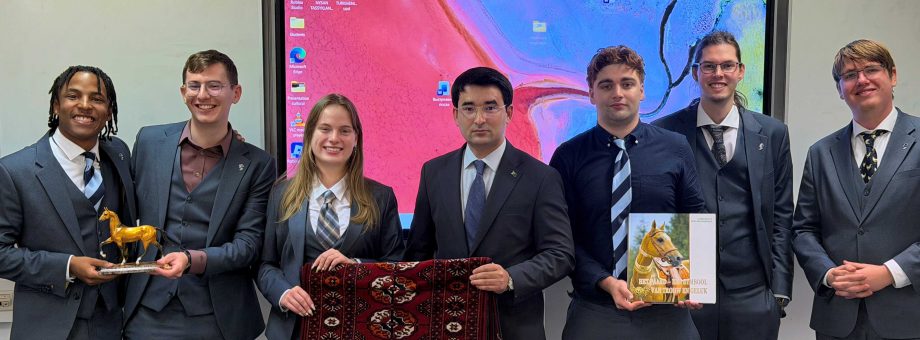
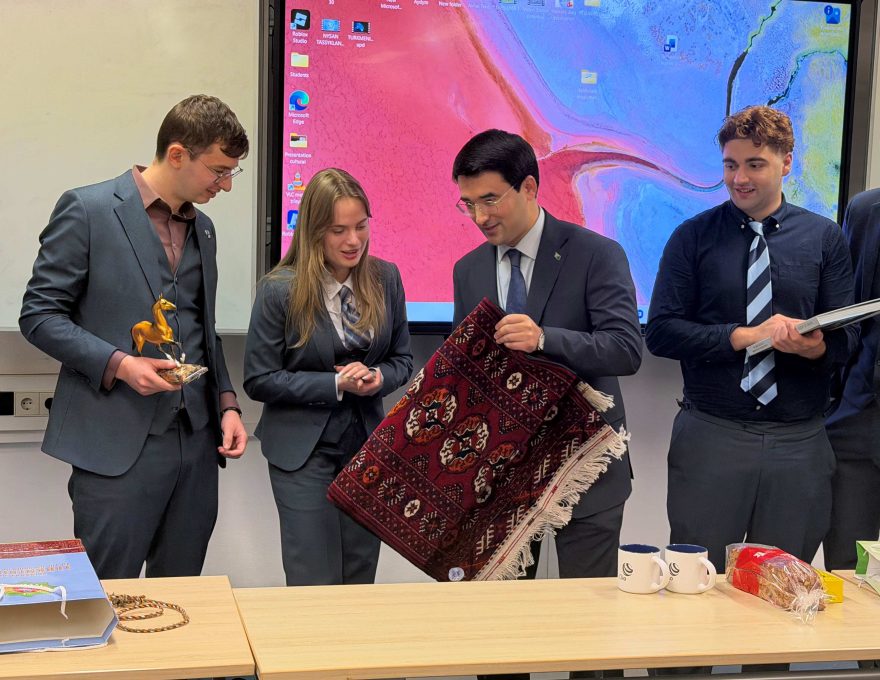
The discussion of Turkmen culture continued the theme of mutual understanding and cooperation. Through accounts of communal carpet weaving and the tradition of baking bread in a "tamdyr" clay oven, the Ambassador illustrated how everyday customs encourage mutual support and strengthen community ties. Students also learned about the special place of Akhal-Teke horses and Turkmen Alabay dogs in the country’s cultural heritage.
Reflecting on public diplomacy, Ambassador Palvanov highlighted the importance of cultural exchanges and personal connections in building trust between countries. As a vivid example, he cited the World Championship of Akhal-Teke Horse Beauty, held in September 2026 at the Peelbergen Equestrian Centre in the Netherlands. A shared interest in horses and equestrian traditions brought people from both countries together, introduced Dutch audiences to Turkmen heritage and helped establish new contacts. The Ambassador noted that cooperation between Turkmenistan and the Netherlands had gained momentum across a range of areas following the event. This experience illustrated how cultural heritage can open doors to broader cooperation, with Akhal-Teke horses serving as a living symbol of friendship and mutual understanding between peoples.
Students participated enthusiastically throughout the discussion, asking questions and sharing their perspectives. To conclude the session, the Ambassador invited the audience to take part in a short quiz on the lecture’s themes. Those who answered correctly received Turkmen sweets and gifts, bringing the exchange to a warm and memorable close.
The event allowed students to discover Turkmenistan, gain a deeper understanding of its foreign-policy choices and explore possibilities for future academic, cultural and professional cooperation.