 NEWS
First EU–Central Asia Strategic Institutes Forum Held in Brussels
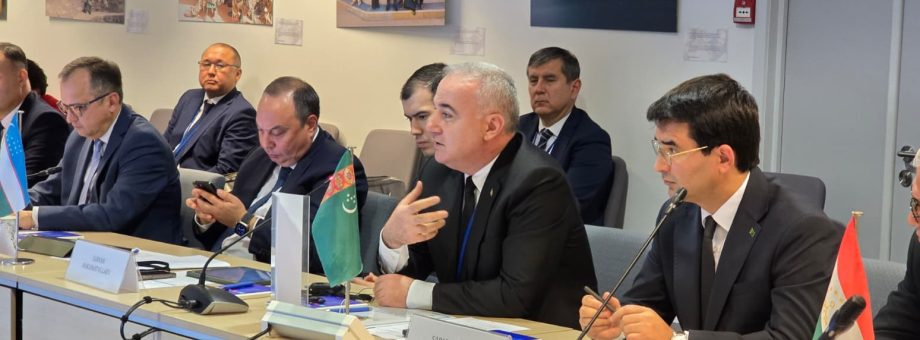
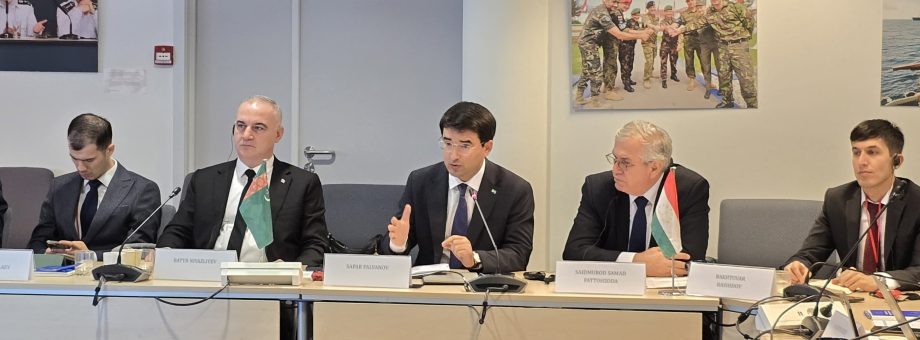
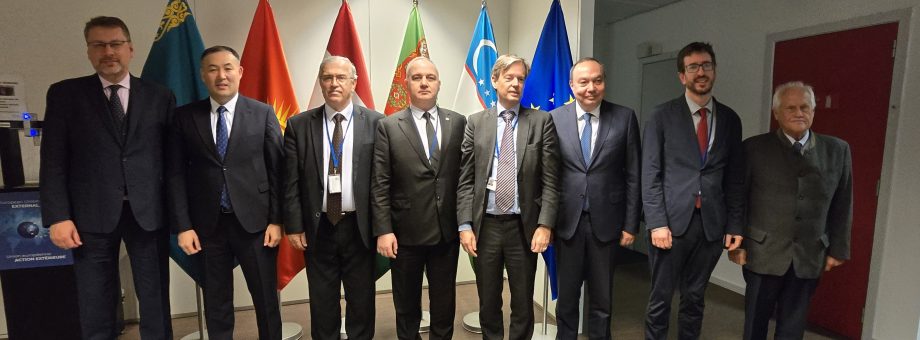
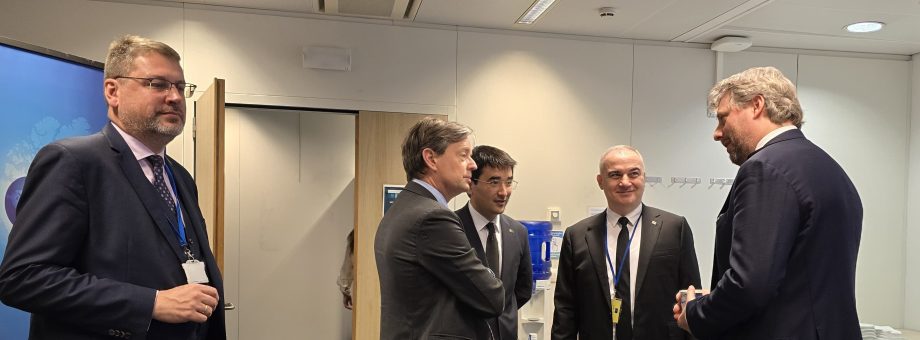
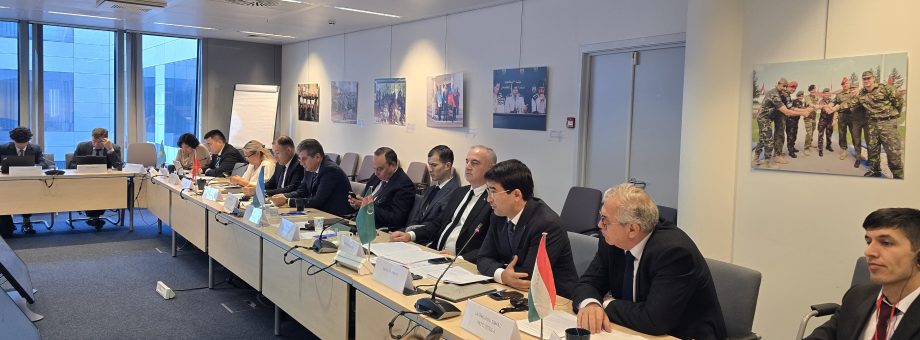
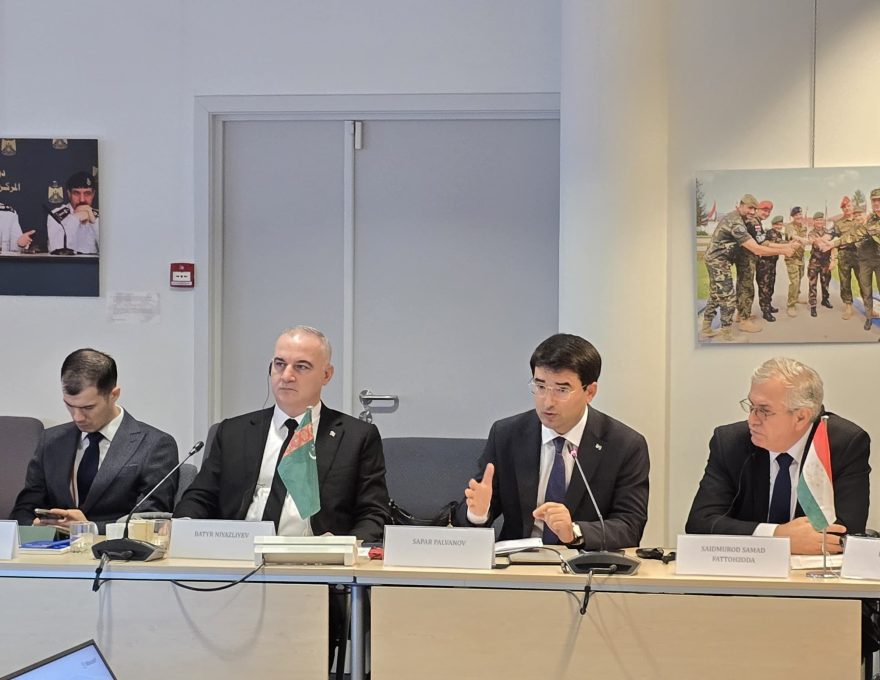
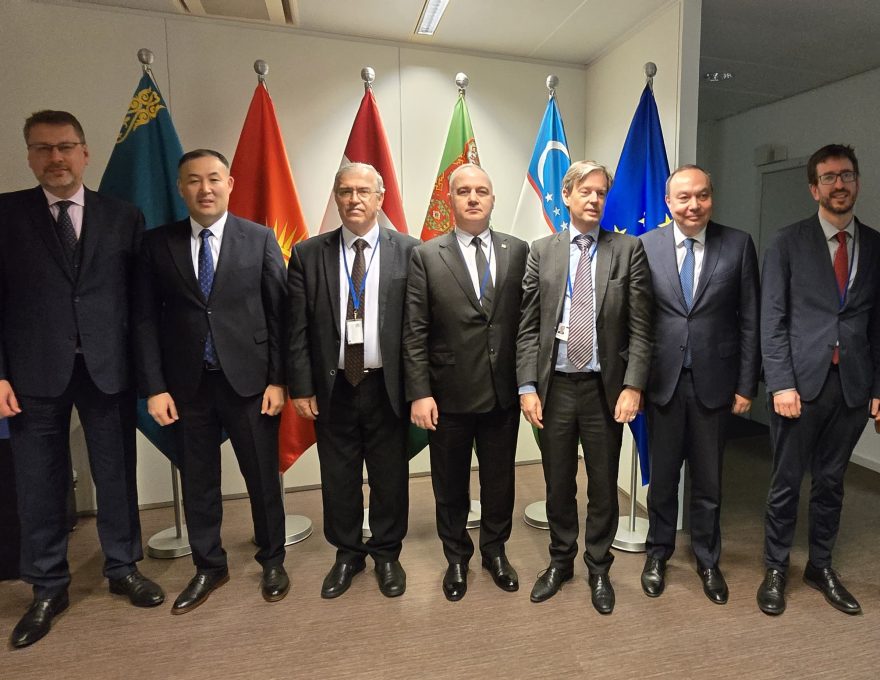
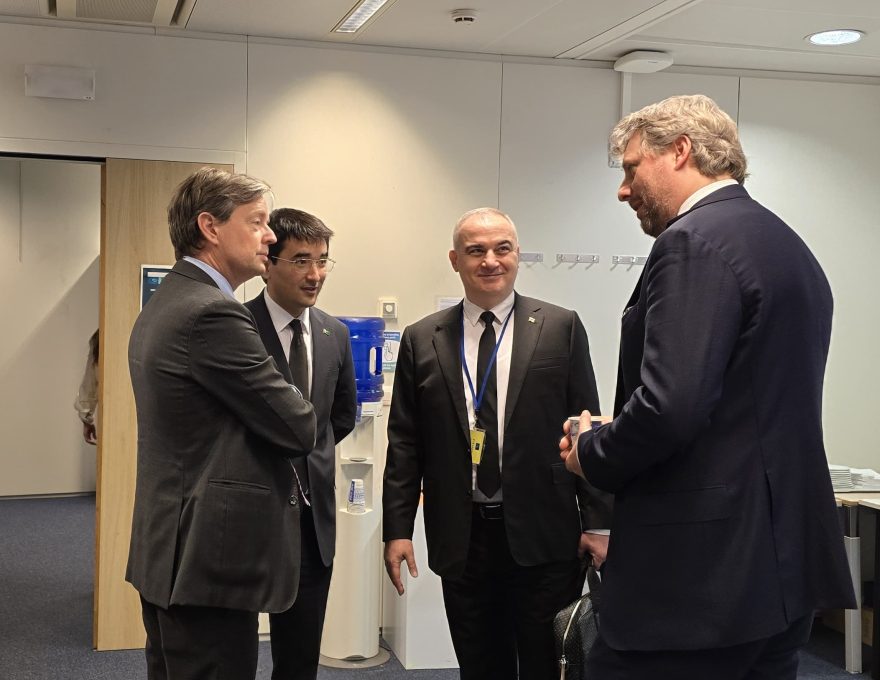
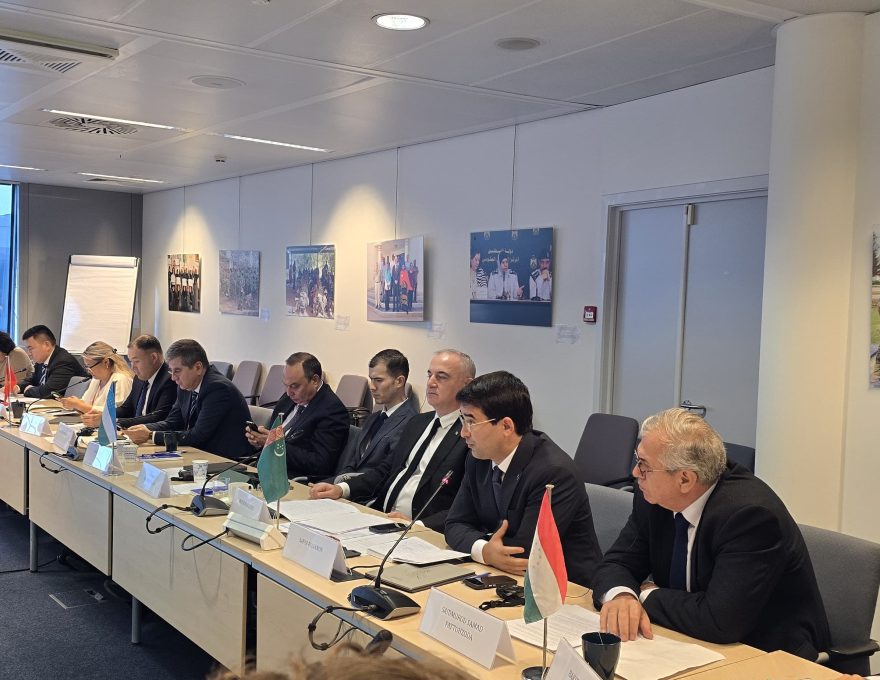
The first EU–Central Asia Strategic Institutes Forum, entitled “EU–Central Asia: Transforming Cooperation in a Changing World,” took place at the headquarters of the European External Action Service (EEAS) in Brussels.
The Forum was organised by the Office of the EU Special Representative for Central Asia and the European Union Institute for Security Studies (EUISS).
The event brought together representatives of leading strategic and research institutions from Central Asian countries, EU institutions and European think tanks, providing a platform for exchanging views on regional and international developments and exploring new opportunities for cooperation.
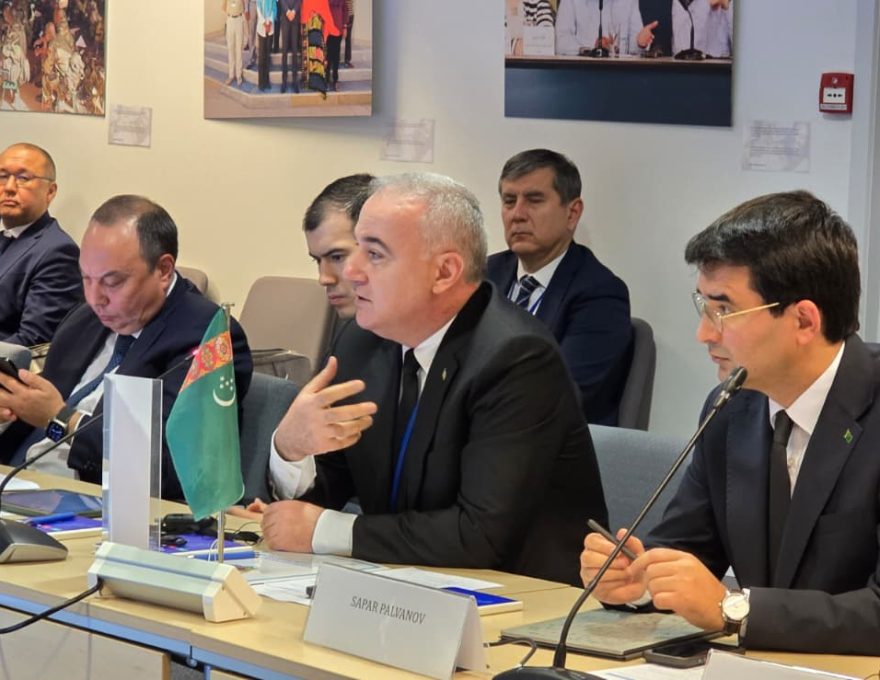
Turkmenistan was represented by Batyr Niyazliyev, Adviser to the Ministry of Foreign Affairs of Turkmenistan, and Ambassador Sapar Palvanov.
The Forum aimed to strengthen expert-level dialogue and develop practical recommendations for advancing the strategic partnership between Central Asia and the European Union, established at the first EU-Central Asia Summit held in Samarkand in April 2025.
During the two-day discussions, participants exchanged views on a wide range of issues, including international security, trade and economic cooperation, transport and energy connectivity, investment, technology transfer, digital transformation, education and public diplomacy.
Particular attention was devoted to the development of the Trans-Caspian Transport Corridor as a key link connecting Central Asia with European markets. Participants highlighted the importance of not only improving transport infrastructure but also facilitating trade, strengthening industrial cooperation and creating better opportunities for Central Asian products to access European markets.
The economic discussions explored opportunities for joint investment projects under the EU's Global Gateway initiative, the development of higher-value industries, the introduction of advanced technologies and stronger partnerships between businesses from both regions.
During the discussions, the Turkmen side emphasised the importance of translating shared priorities into concrete projects and tangible results. Particular attention was drawn to the prospects for strengthening energy cooperation, including potential supplies of Turkmen natural gas to European markets, as well as further developing Turkmenistan's transport and logistics capabilities, including the International Seaport of Turkmenbashi.
The importance of expanding direct contacts between the business communities of Central Asia and the European Union was also highlighted. In this context, reference was made to Turkmenistan's initiative to host an EU–Central Asia Economic Forum in 2027, aimed at promoting business partnerships and facilitating the implementation of mutually beneficial projects.
A separate session focused on public diplomacy, cultural exchanges and people-to-people contacts as essential foundations for a sustainable and long-term partnership.
Participants underlined the important role of education, professional training, academic mobility and joint research programmes in fostering closer ties and mutual understanding between the two regions.
In this context, the Turkmen side shared its experience in organising major international cultural events, including the First World Championship of Akhal-Teke Horses, held in the Netherlands in September 2026. The event was highlighted as an example of how cultural diplomacy can promote national heritage while creating new opportunities for business cooperation and people-to-people engagement.
At the conclusion of the Forum, participants emphasised the importance of maintaining regular dialogue between strategic and research institutions, expanding joint analytical work and developing practical recommendations to support the future agenda of EU–Central Asia cooperation.