 NEWS
NEWS
Turkmenistan takes part in the Launch of the New Connectivity Agenda platform in Brussels
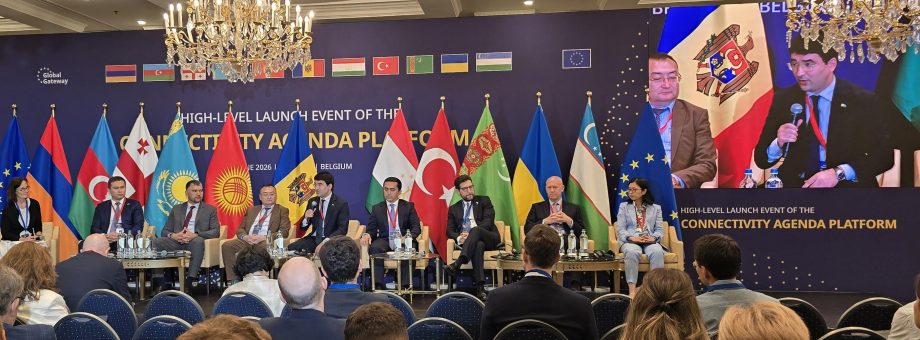
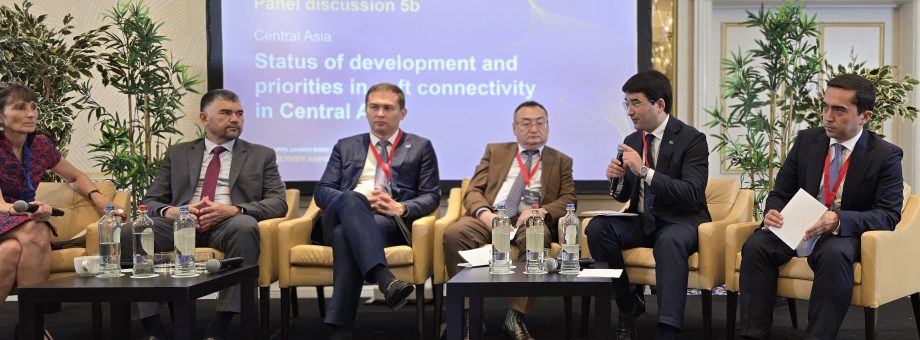
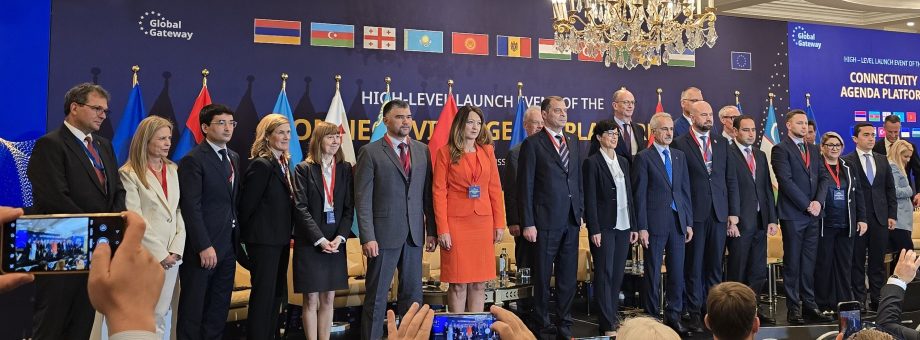
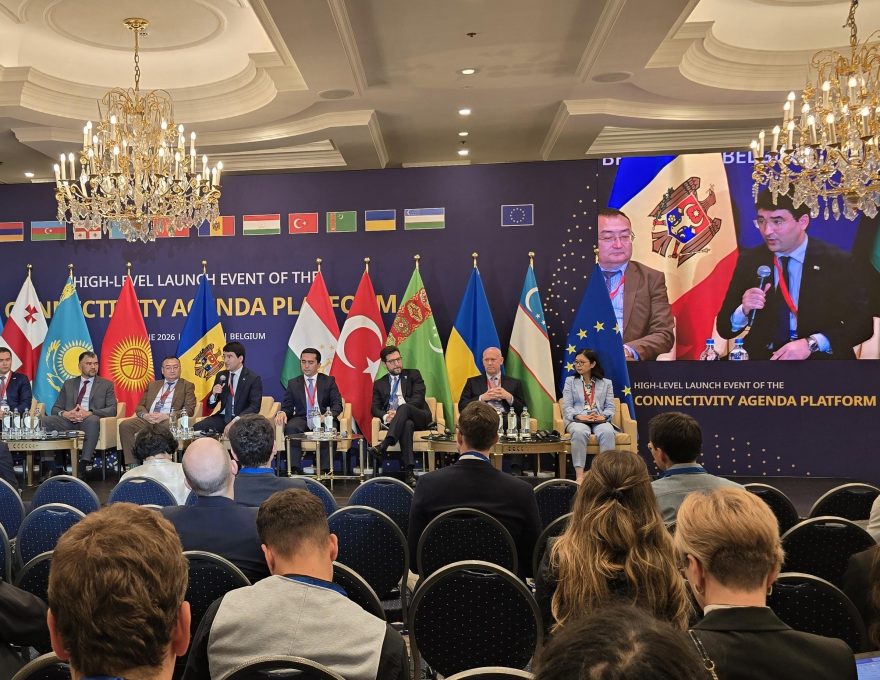
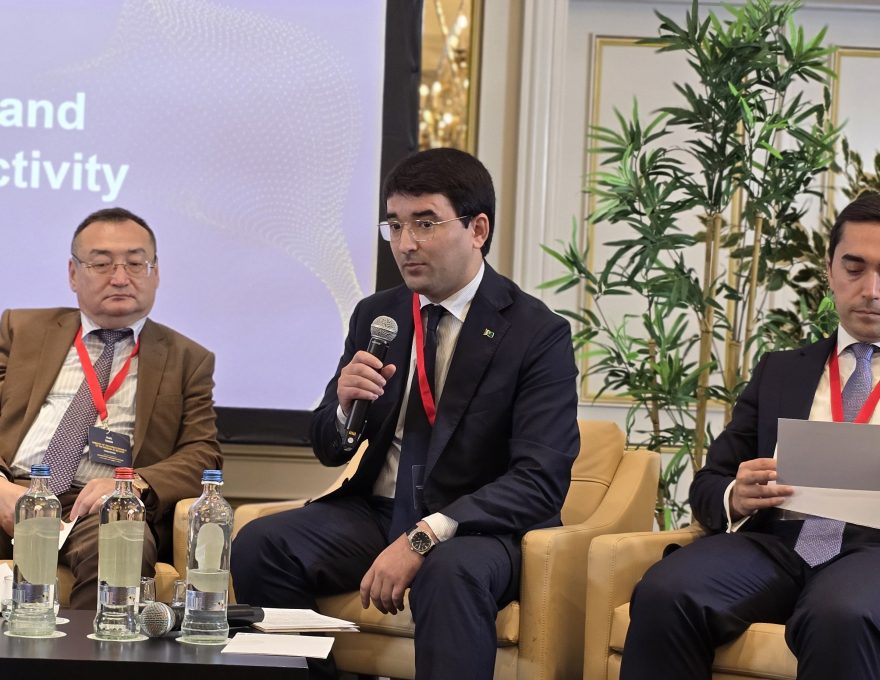
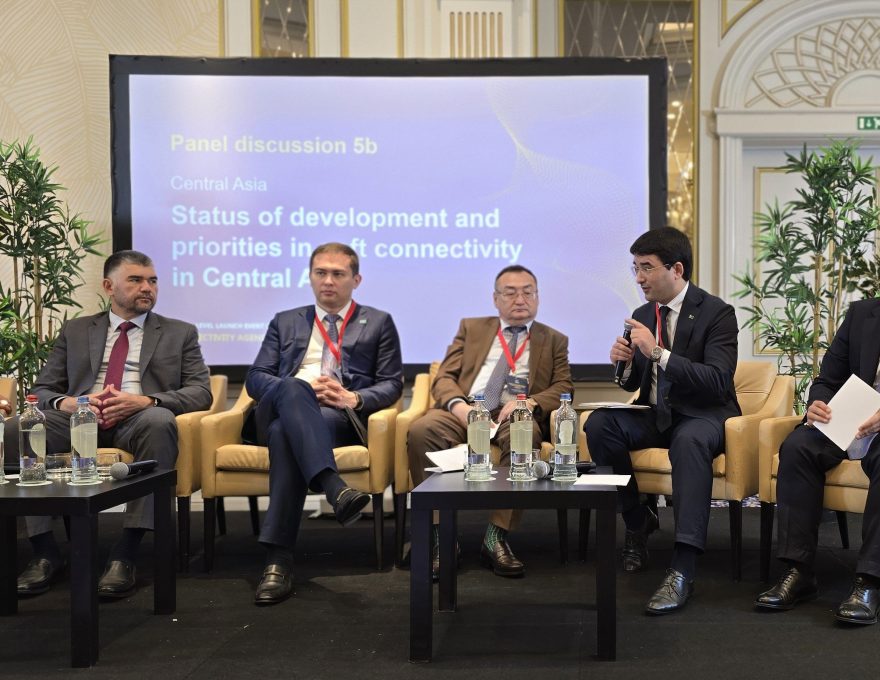
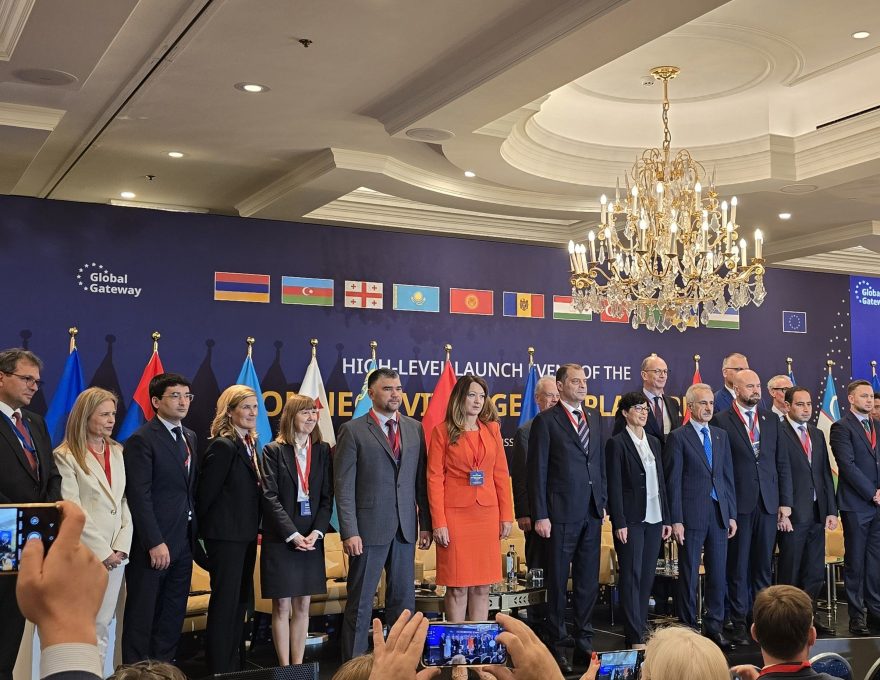
A high-level event dedicated to the launch of the Connectivity Agenda Platform, a new interregional mechanism aimed at strengthening transport, energy, digital and trade links between Europe and Central Asia through the Caspian, South Caucasus and Black Sea regions, was held in the capital of Belgium.
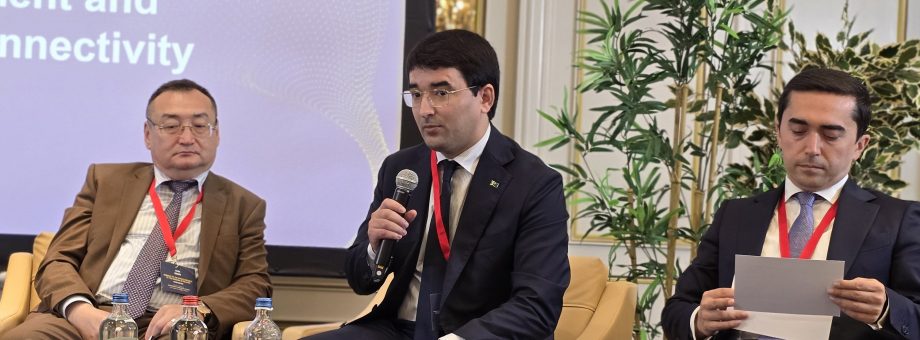
Turkmenistan was represented at the event by the Ambassador of Turkmenistan to the Kingdom of Belgium and Head of the Mission of Turkmenistan to the European Union, Sapar Palvanov, who delivered remarks during the discussions on the development of interregional connectivity and the enhancement of the efficiency of the Trans-Caspian Transport Corridor.
The launch of this Platform marks an important stage in the further development of the coordination work previously initiated along the Trans-Caspian route. While the initial focus was placed mainly on strengthening links between the European Union and the countries of Central Asia, the new Platform gives this work a broader interregional dimension. Today, the objective is to establish a common space for practical cooperation encompassing Central Asia, the Caspian region, the South Caucasus, the Black Sea area, Türkiye, Moldova, Ukraine and interested Member States of the European Union.
The event brought together representatives of the European Union, ministers and deputy ministers, ambassadors of the countries of Central Asia, the South Caucasus, the Black Sea region, Türkiye, Ukraine, Moldova and EU Member States, as well as heads and representatives of international financial institutions. The European Union was represented, in particular, by EU Commissioner for Enlargement Marta Kos, Director-General of the European Commission’s Directorate-General for International Partnerships Koen Doens, Director-General of the European Commission’s Directorate-General for Enlargement and Eastern Neighbourhood Gert Jan Koopman, as well as representatives of DG INTPA and DG ENEST. International financial institutions participating in the event included representatives of the European Investment Bank, the European Bank for Reconstruction and Development and the World Bank.
The discussions focused on the development of the Trans-Caspian Transport Corridor, improving the efficiency of regional logistics, modernising border, port, railway and other transport infrastructure, digitalising customs and transit procedures, as well as attracting investment into strategically important projects that contribute to strengthening sustainable links between Europe and Asia.
Speaking at the event, Ambassador Sapar Palvanov underlined that Turkmenistan, located at the crossroads of key East-West and North-South routes, considers the development of transport connectivity to be an important factor of sustainable economic growth, regional stability and international cooperation. Particular attention was paid to Turkmenistan’s potential as a reliable transit hub connecting Central Asia with the Caspian Sea, the Caucasus, the Middle East and European markets.
The Ambassador also highlighted the importance of the Turkmenbashi International Seaport, which serves as a key link along the Caspian route and creates opportunities for the development of multimodal transport. Its modern port infrastructure, ferry, cargo and container facilities, as well as the country’s internal railway and road connections, enable Turkmenistan to act as a reliable transit hub between Central Asia and external markets.
Ambassador Palvanov further noted the significance of Turkmenistan’s railway infrastructure, which connects the country with Kazakhstan, Uzbekistan, Iran and Afghanistan. These routes make it possible to view Turkmenistan not only as a participant in the East-West route, but also as an important link in the North-South corridors, which is particularly relevant for expanding trade and economic ties between the countries of Central Asia, the Caspian region, the Persian Gulf and Europe.
During the discussions, participants emphasised the need not only to build and modernise infrastructure, but also to advance so-called “soft connectivity”, including the simplification of border crossing procedures, digitalisation of customs processes, harmonisation of rules, greater tariff transparency and improved coordination among state authorities, ports, railways, logistics operators and international financial institutions.
A number of documents aimed at the practical implementation of the new interregional connectivity agenda were also signed during the event. In particular, the European Commission reached agreements with international financial institutions providing for the mobilisation of significant investments to develop transport infrastructure, modernise border crossing points and facilitate trade in the Black Sea region and the South Caucasus. Separate documents were also signed on several national projects, including the preparation of feasibility studies for infrastructure facilities and the development of digital solutions in the transport sector. This confirmed that the new Platform is intended to serve not only as a venue for political dialogue, but also as a practical mechanism for coordinating investments, projects and reforms aimed at improving the efficiency of corridors between Europe and Asia.
The Brussels meeting demonstrated that connectivity goes beyond the transport agenda and is becoming one of the key elements of modern regional policy. For Turkmenistan, this opens up new opportunities to further strengthen its status as an important transport and logistics centre of Eurasia and a reliable partner in the development of sustainable routes between East and West.