 NEWS
NEWS
Ambassador Sapar Palvanov speaks at CAECA Cross-Cultural dialogue in Brussels
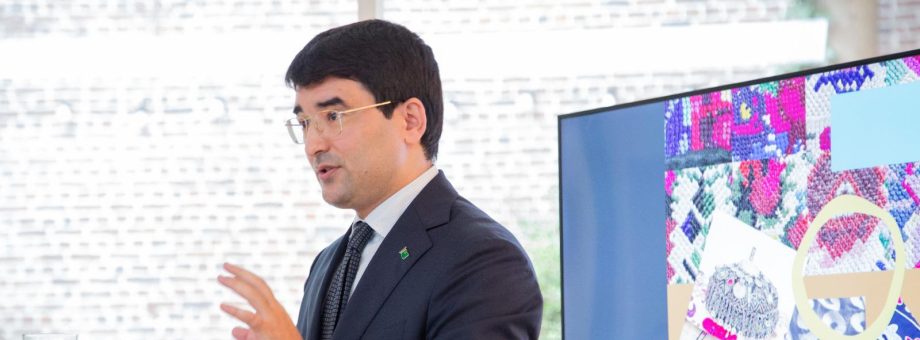
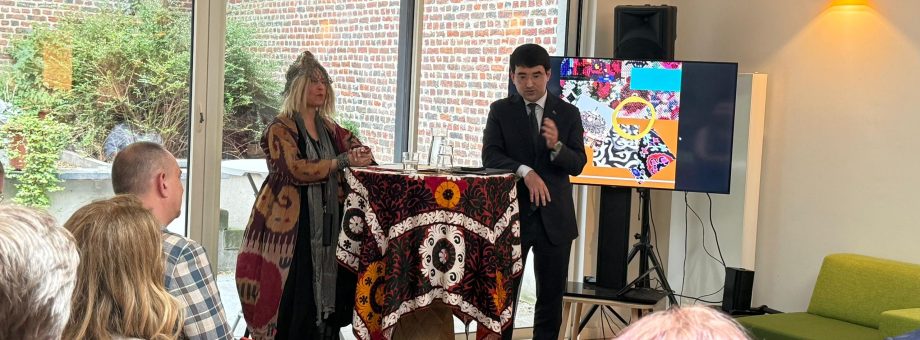
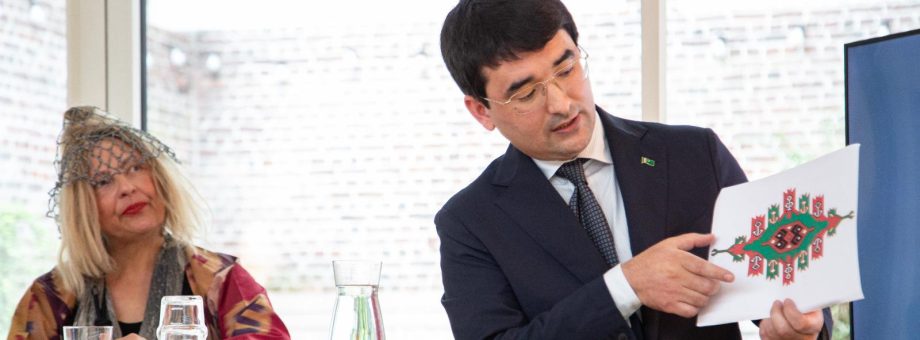
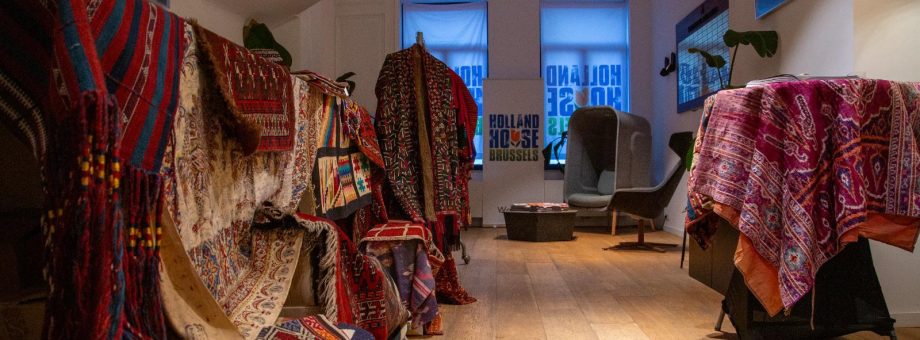
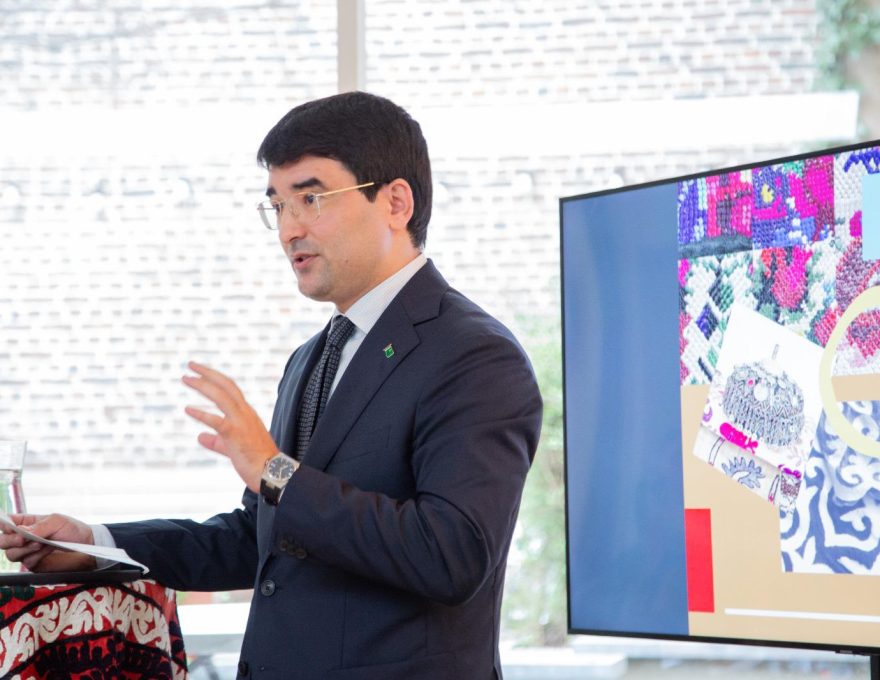
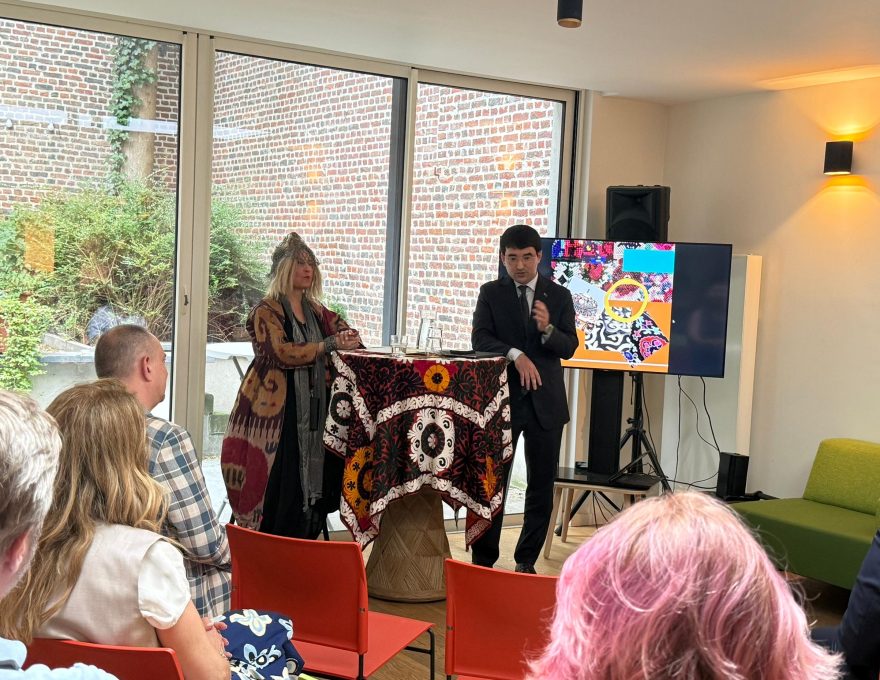
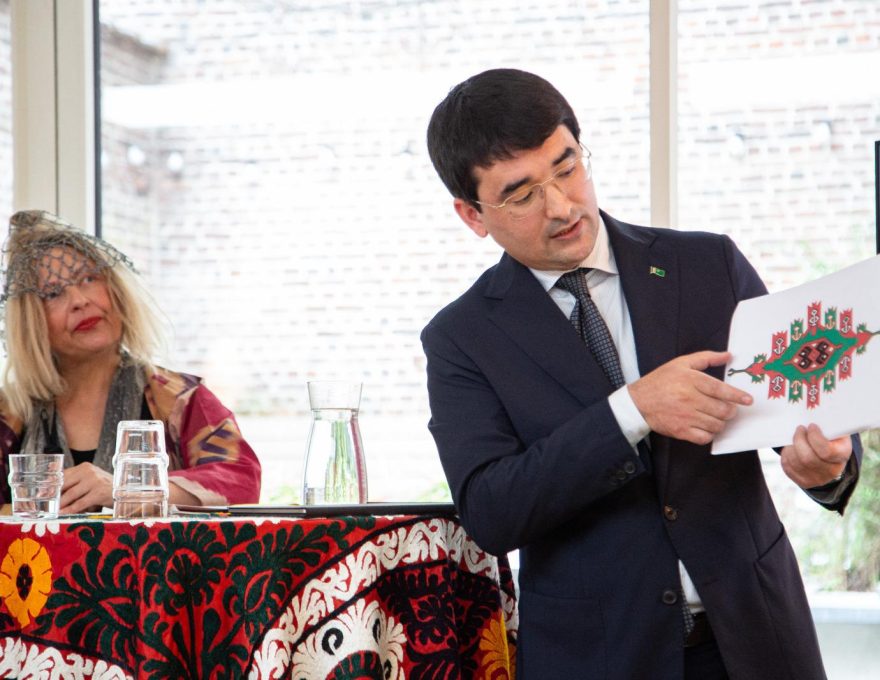
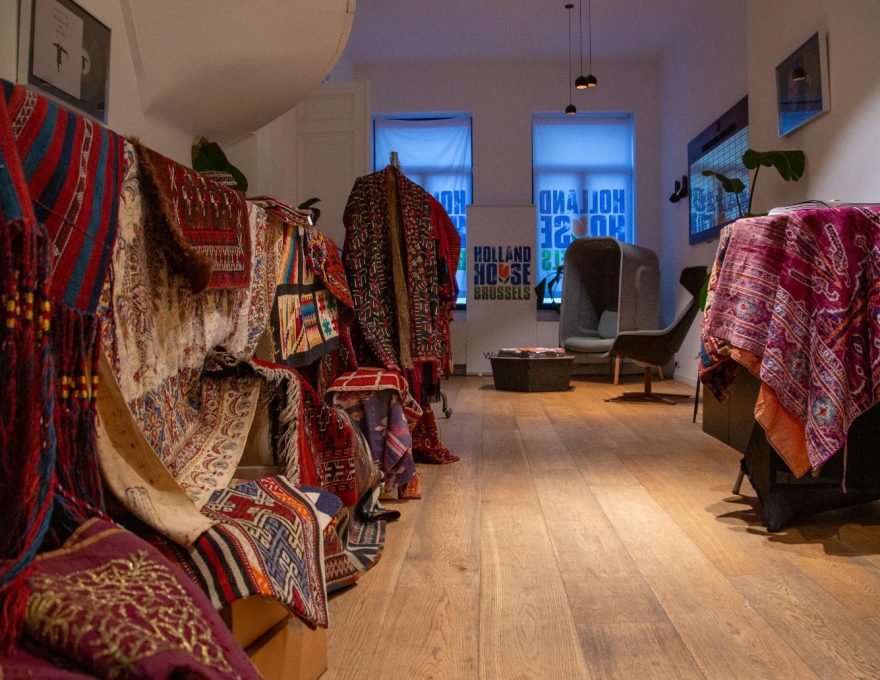
Ambassador of Turkmenistan to the Kingdom of Belgium Sapar Palvanov addressed the first cross-cultural dialogue organized by the Central-Asian European Creative Alliance (CAECA), held at Holland House, Brussels.
The event, entitled “When Cultural Diplomacy and International Cultural Relations Collide?!”, was organized at the initiative of CAECA Founder Yelena Kharitonova and brought together a broad and distinguished audience, including ambassadors and members of the diplomatic corps, representatives of European institutions, cultural organizations, creative associations, designers, artists, researchers, as well as professionals from the museum, exhibition, and cultural sectors.
According to the programme, the discussion focused on the role of international biennials, cultural events, fashion shows, expos, museums, traditional crafts, and creative initiatives as cultural ambassadors that can strengthen mutual understanding among people. The list of speakers included representatives of the EEAS, diplomatic missions, cultural projects and international artistic initiatives.
Ambassador Sapar Palvanov delivered a presentation entitled “Antique Ethnic Jewellery, Textiles and Tapestry Diplomacy: Treasures from Turkmenistan.” In his remarks, he emphasized that for Turkmenistan, culture is not only a heritage of the past, but also a living language of communication with the world.
The Ambassador underlined that cultural diplomacy holds a special place in Turkmenistan’s foreign policy, as culture can speak not only to the mind but also to the heart. He noted that while political circumstances may change, cultural bridges built on history, memory, beauty, craftsmanship and the human desire for mutual understanding remain strong and lasting.
In his speech, Ambassador Palvanov highlighted that Turkmenistan, as a country with internationally recognized permanent neutrality, views neutrality as a philosophy of openness, dialogue, good neighbourliness and respect for all countries and peoples. In this regard, he noted that culture and neutrality are close in nature: true culture has no borders, does not divide people, but brings them closer together, helping them better understand their own roots and respect the cultural identity of others.
Special attention was given to Turkmen carpets, antique ethnic jewellery, textiles, embroidery, ornaments, and traditional crafts. The Ambassador noted that these objects are not merely beautiful works of art, but carriers of history, aesthetic vision, spiritual values, family memory, and the connection of people with nature, land and home.
In this context, Ambassador Palvanov stated: “When we present Turkmen carpets, antique ethnic jewellery, textiles, embroidery, ornaments and traditional crafts, we are not simply showing beautiful objects. We are sharing the history of a people, their sense of beauty, their connection with nature, family, home, land and spiritual values.”
As an example, the Ambassador referred to the symbolism of the Turkmen carpet, in particular the traditional göl pattern, one of the most recognizable elements of Turkmen carpet art. He noted that the göl may be seen as a visual signature of identity, memory and belonging, as different Turkmen tribes and communities developed their own characteristic forms of this motif. Repeated throughout the carpet composition, the göl conveys a sense of order, continuity, family memory and community tradition.
The Ambassador also drew attention to the modern reinterpretation of cultural heritage. He noted that today young Turkmen designers, artists and craftsmen are not merely reproducing traditional forms, but creatively using historic ornaments, national motifs, elements of antique textiles and jewellery in contemporary fashion, design, accessories, interiors and works of art. According to him, cultural heritage should not remain only in museums as a static object; it should live, breathe and inspire a new generation.
The speech also highlighted the growing relevance of sustainable design, recycling and upcycling. It was noted that when antique textiles, fragments of carpets, traditional patterns or craft elements are given a second life, this becomes not only an artistic gesture, but also a sign of respect for the work of past masters, careful treatment of materials and preservation of the link between generations.
Ambassador Palvanov also spoke about the work of the Embassy of Turkmenistan in Brussels in promoting cultural diplomacy and presenting the country’s rich cultural heritage in Europe. He emphasized that through cultural events, exhibitions, presentations of carpets, jewellery, textiles, music, national traditions and modern creative initiatives, the Embassy seeks to present Turkmenistan as a country with an ancient and rich culture, open to contemporary creativity, dialogue and new forms of international cultural cooperation.
Concluding his remarks, the Ambassador stressed that cultural bridges are often stronger than political bridges, as they are built over centuries and are based on respect, memory, beauty and sincere human curiosity.
“Cultural bridges are stronger than political bridges. Political circumstances may change, but culture remains. It is rooted in history, memory and the desire of people to understand one another,” Ambassador Palvanov said.
The CAECA event became an important platform for an open exchange of views on the role of culture, art, fashion, crafts, museums and exhibition initiatives in strengthening international understanding. The meeting also contributed to the promotion of cultural dialogue between Central Asia and Europe, as well as to the presentation of Turkmenistan’s rich cultural heritage to a wider European audience.