 NEWS
NEWS
Turkmenistan Presented Its Energy Strategy at the Brussels Energy Club Roundtable
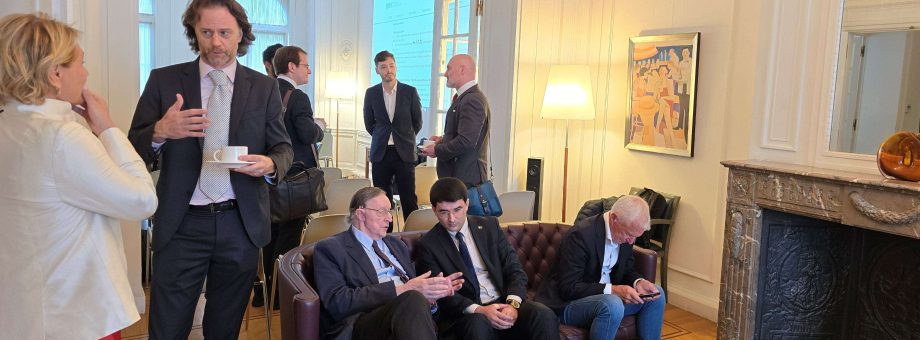
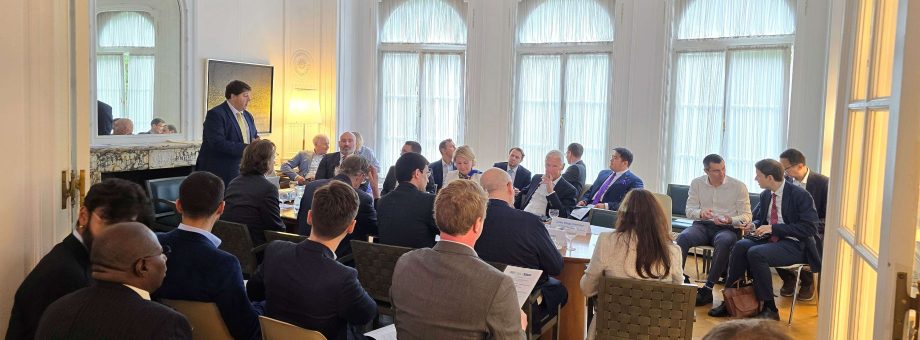
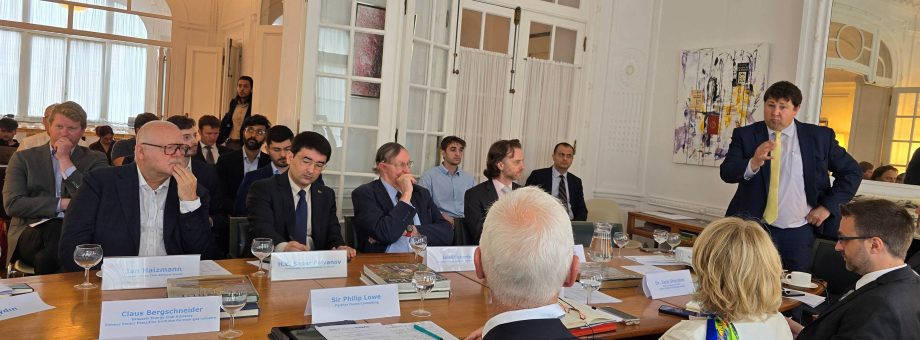
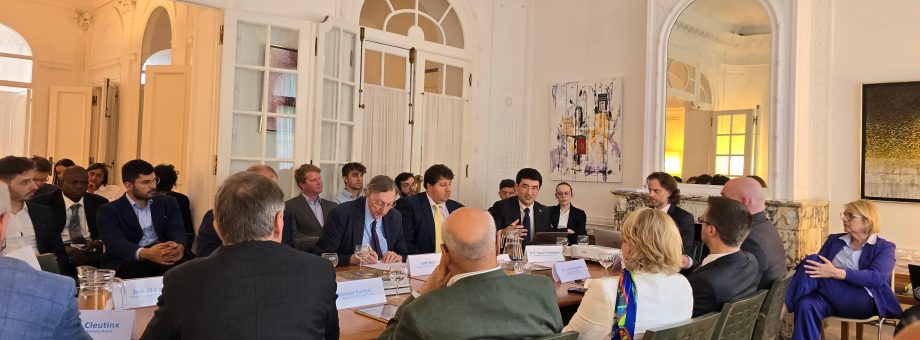
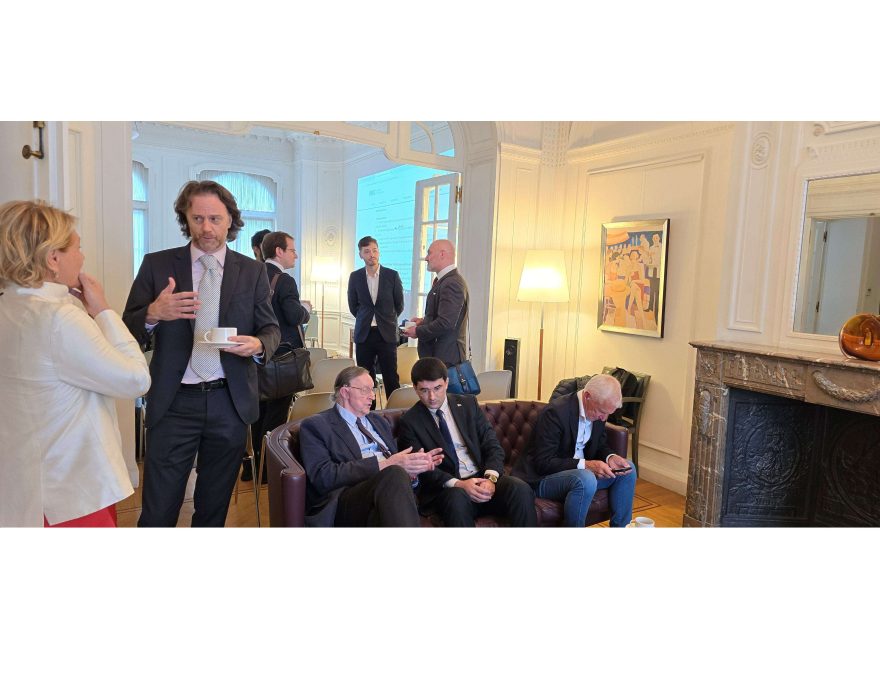
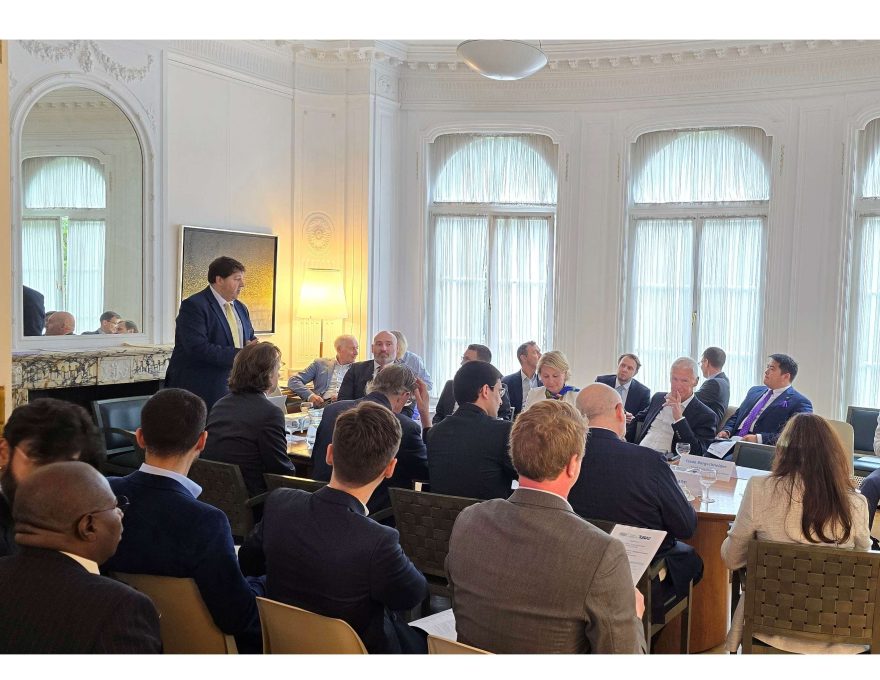
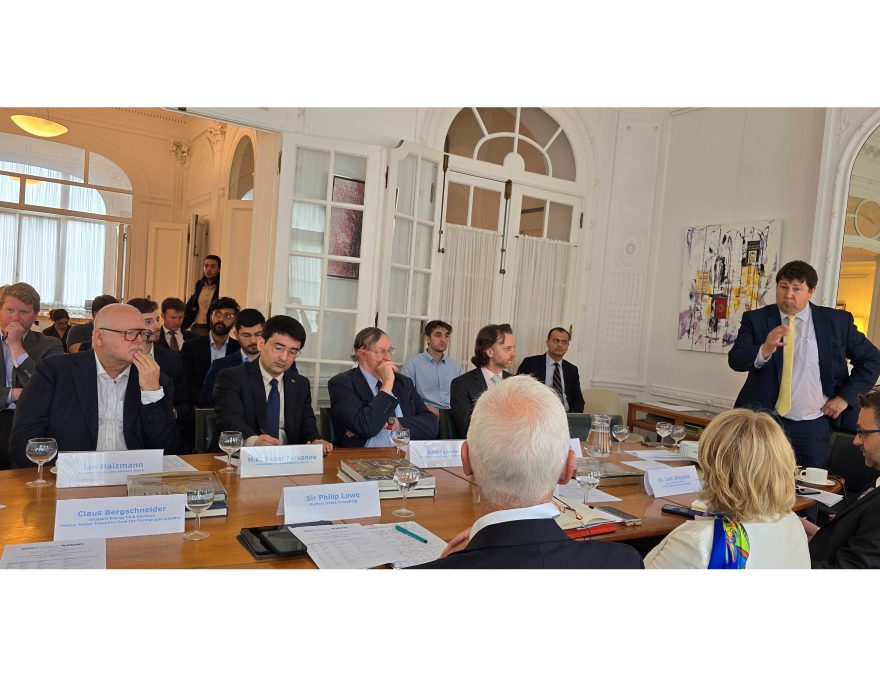
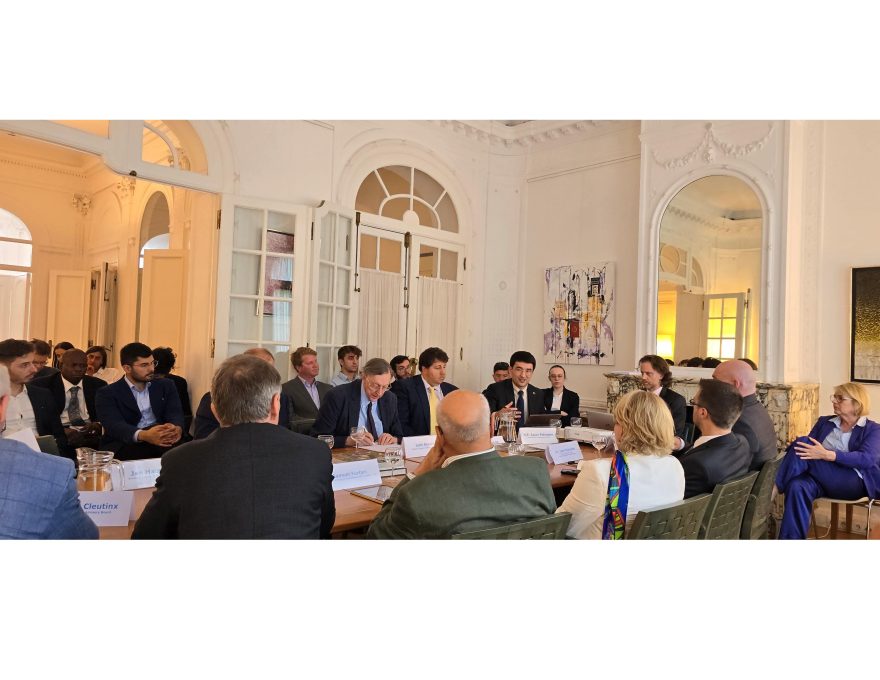
A high-level expert roundtable titled “Mid-Term Prospects for EU Gas Imports and Strategies of Exporting Countries” was held in Brussels, organized by the Brussels Energy Club. The keynote speaker of the event was the Ambassador of Turkmenistan to the Kingdom of Belgium, who delivered a detailed presentation on the key directions of Turkmenistan’s energy policy and reaffirmed the country’s strong interest in deepening mutually beneficial cooperation with the European Union and European companies.
In his remarks, the Ambassador emphasized that Turkmenistan, guided by its own model of economic development, is currently in an active phase of diversifying its energy policy. This includes expanding its export geography, strengthening processing capacities, developing infrastructure, and shifting toward the production of value-added products. A core element of the strategy is the establishment of sustainable, reliable, and mutually beneficial partnerships, including with European countries.
One of the central topics of the discussion was the prospect of implementing the Trans-Caspian Gas Pipeline project as a potential route for diversifying gas exports from Turkmenistan to Europe via the Southern Gas Corridor. Infrastructure initiatives such as the TAPI pipeline (Turkmenistan–Afghanistan–Pakistan–India), where construction is already underway on Afghan territory, also featured prominently.
The Ambassador drew attention separately to the newly concluded gas export agreements between Turkmenistan and several partner countries. In particular, during 2024–2025, Turkmenistan signed agreements with Turkey, Iraq, Azerbaijan, and Hungary, involving both direct supplies and swap mechanisms. These agreements underscore Turkmenistan’s commitment to reliable and flexible cooperation with different regions.
A special focus in the presentation was given to the country’s shift toward domestic gas processing. Turkmenistan is actively developing projects for the production of polymers, fertilizers, synthetic fuels, and other finished products, opening significant opportunities for technological cooperation with European companies and investors.
Dr. Marat Terterov, founder of the Brussels Energy Club, also shared his perspective, noting that the potential for cooperation with Turkmenistan remains exceptionally high. He further highlighted that the annual “Oil & Gas of Turkmenistan” international conference, held in Ashgabat, continues to serve as a vital platform for energy dialogue between Turkmenistan and global partners.
Participants praised Turkmenistan’s openness to constructive dialogue, its readiness to cooperate on sustainable energy, methane emissions reduction, and the development of new export routes.
The Brussels Energy Club is one of the most prominent and respected expert platforms in Brussels. It brings together leading international energy experts, representatives of energy companies, think tanks, media outlets, and high-level officials from both European and national institutions. The Club serves as a venue for open and professional exchange on key issues of energy security, sustainable development, and global energy trends, playing a crucial role in shaping the energy dialogue among producers, consumers, and regulators.