 NEWS
NEWS
EU–Central Asia Dialogue on Afghanistan: Outcomes of the Brussels meeting
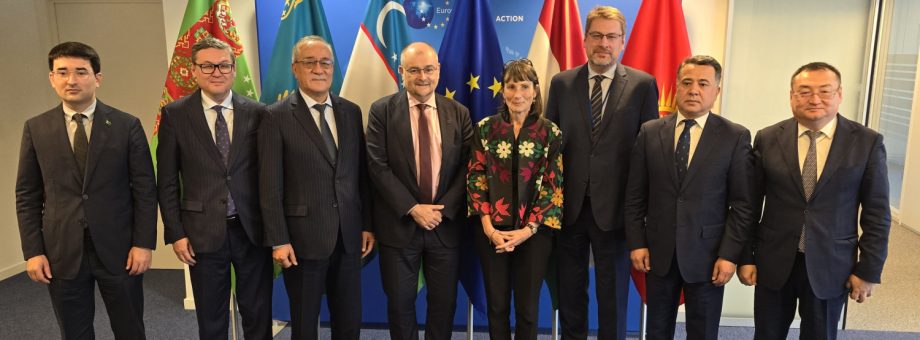
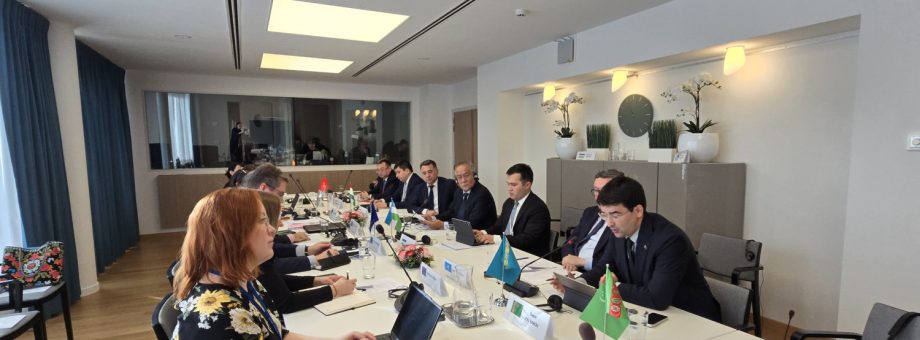
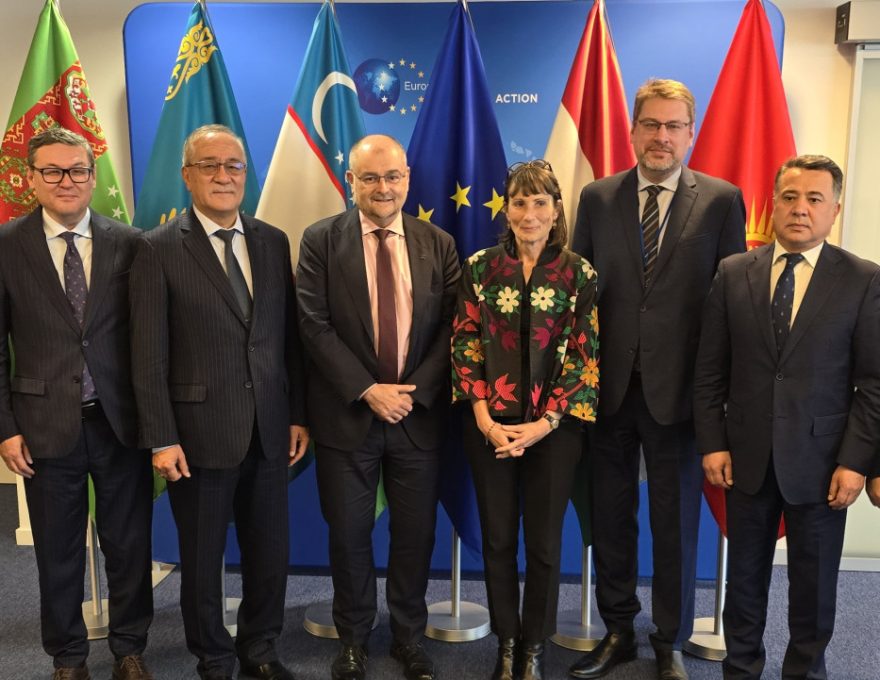
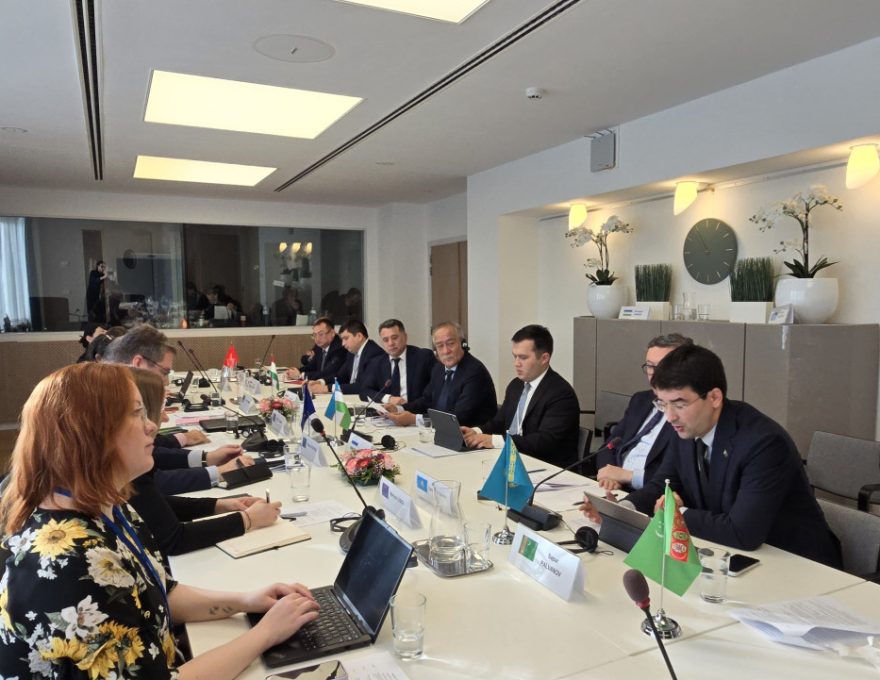
On 12 November, Brussels hosted the 7th Meeting of the EU–Central Asia Dialogue on Afghanistan. The forum brought together representatives of the countries of the region and institutions of the European Union. Turkmenistan was represented by the Ambassador of Turkmenistan to the Kingdom of Belgium, Sapar Palvanov. The participants discussed key issues related to sustainable development, regional connectivity, humanitarian support, and practical formats of engagement with Afghanistan in the interests of stability and the well-being of the peoples of the region.
During the meeting, Turkmenistan presented a balanced position grounded in its policy of positive neutrality and good-neighborliness. The Turkmen side underlined that the sustainable development of Afghanistan is an essential condition for regional stability, and the most effective path toward this lies through economic integration, the expansion of humanitarian cooperation, and the implementation of concrete infrastructure projects that improve the daily lives of local communities.
On the previous day, 11 November, Ambassador Sapar Palvanov held a working meeting with the EU Special Representative for Central Asia, Edgars Štiprais, and the EU Special Envoy for Afghanistan, Gilles Bertrand. The European side emphasized the exceptional importance of the “EU–Central Asia Platform on Afghanistan” and expressed interest in the practical steps undertaken by the countries of the region within the Afghan track. The discussions focused on water-related issues, cross-border cooperation, and major energy and transport connectivity projects.
Special attention was given to the flagship TAPI gas pipeline project, intended to connect energy suppliers and consumers across Central and South Asia. According to preliminary assessments, the project will create thousands of jobs and generate substantial transit revenues for Afghanistan, while simultaneously strengthening the region’s energy security.
Alongside TAPI, other infrastructure initiatives were discussed, including electricity transmission projects and the expansion of Turkmen electricity exports to Afghanistan under existing agreements. The Turkmen side emphasized the practical significance of these steps for the socio-economic stabilization of border provinces, improving access to essential services, and creating new opportunities for small and medium-sized enterprises.
In the humanitarian dimension, Turkmenistan continues to provide support to the Afghan people — from electricity supplies and essential goods to expanding educational opportunities.
The discussions in Brussels reaffirmed the high level of trust and mutual understanding between the Central Asian states and the European Union on a wide range of Afghan-related issues. It was noted that at this stage, particular importance is attached to practical, results-oriented projects in energy and transport, support for the private sector, strengthening the humanitarian dimension, and the training of young professionals. In line with a phased and pragmatic approach, the parties agreed to maintain further contacts on issues of sustainable development, cross-border cooperation, and economic integration, including the alignment of energy initiatives with water management and border coordination.
Following the 7th Meeting of the EU–Central Asia Dialogue on Afghanistan, the parties reaffirmed their commitment to continued constructive cooperation.