 NEWS
NEWS
High-Level Round Table Held in Ashgabat on Cooperation between Turkmenistan and the EU in the Field of Education.
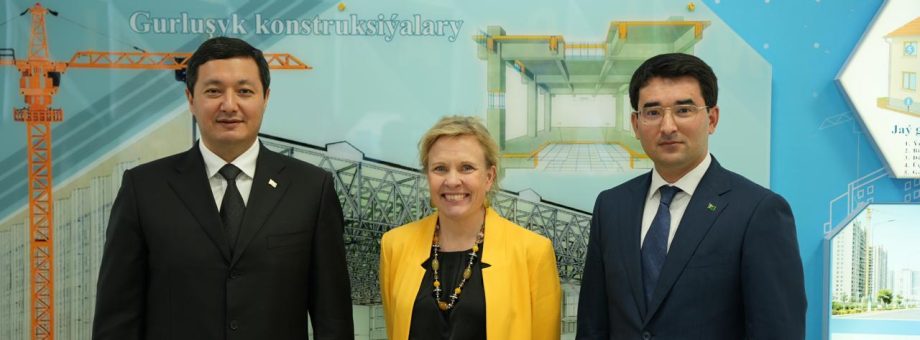
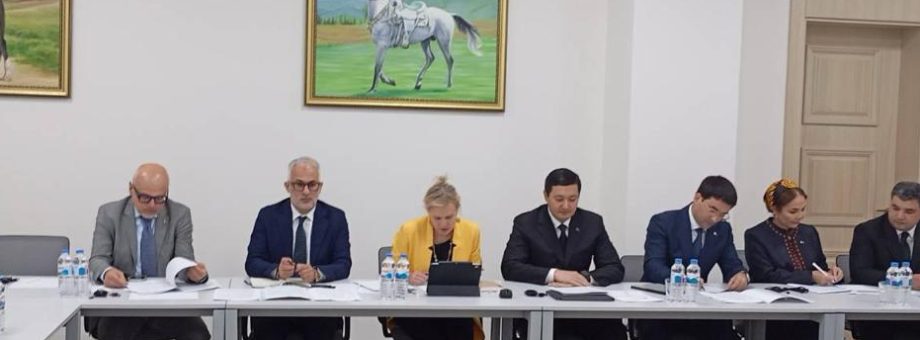
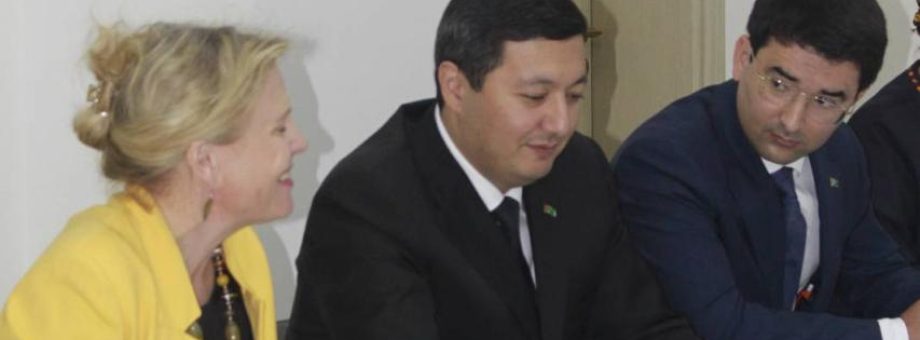
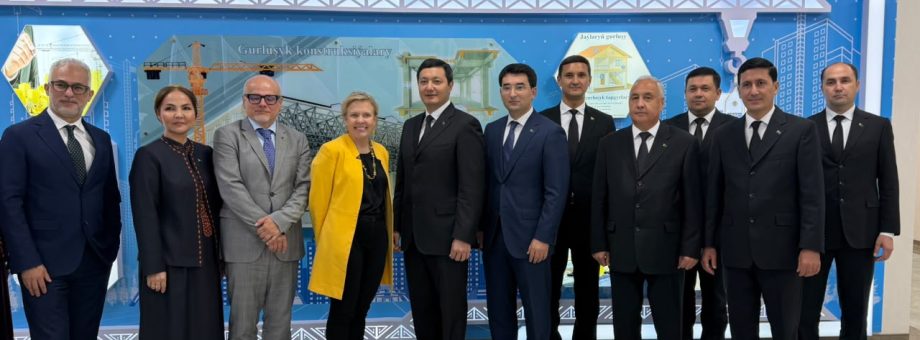
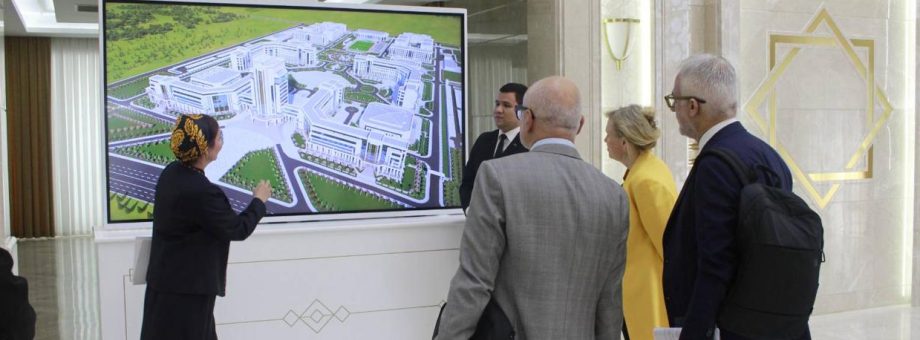
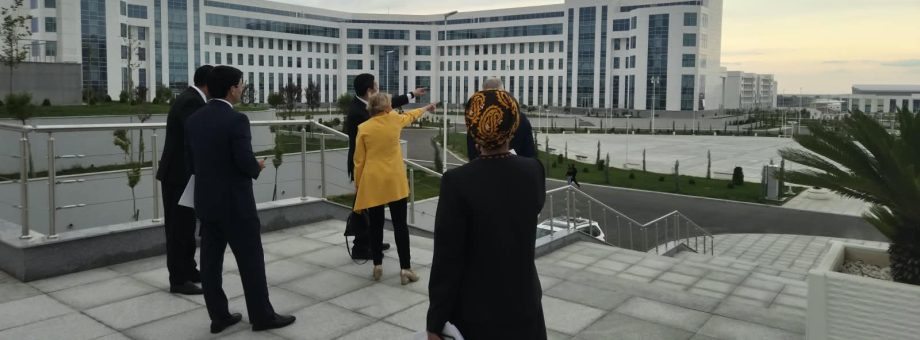
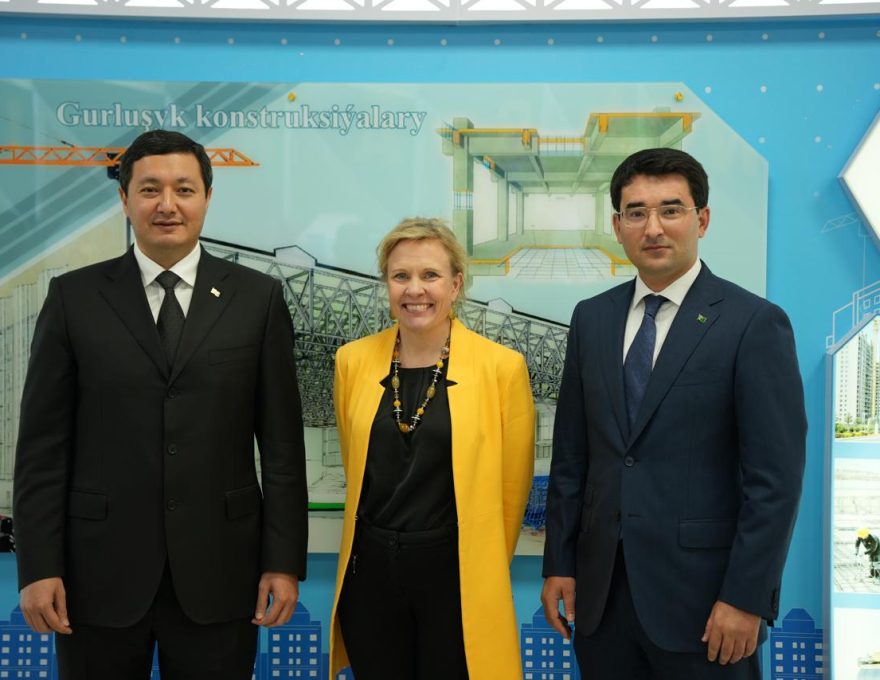
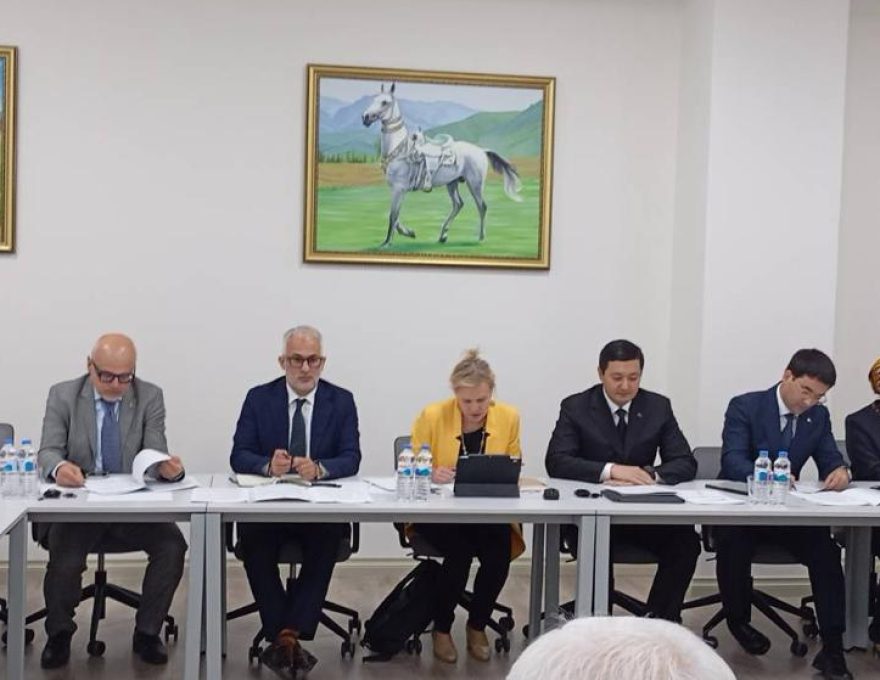
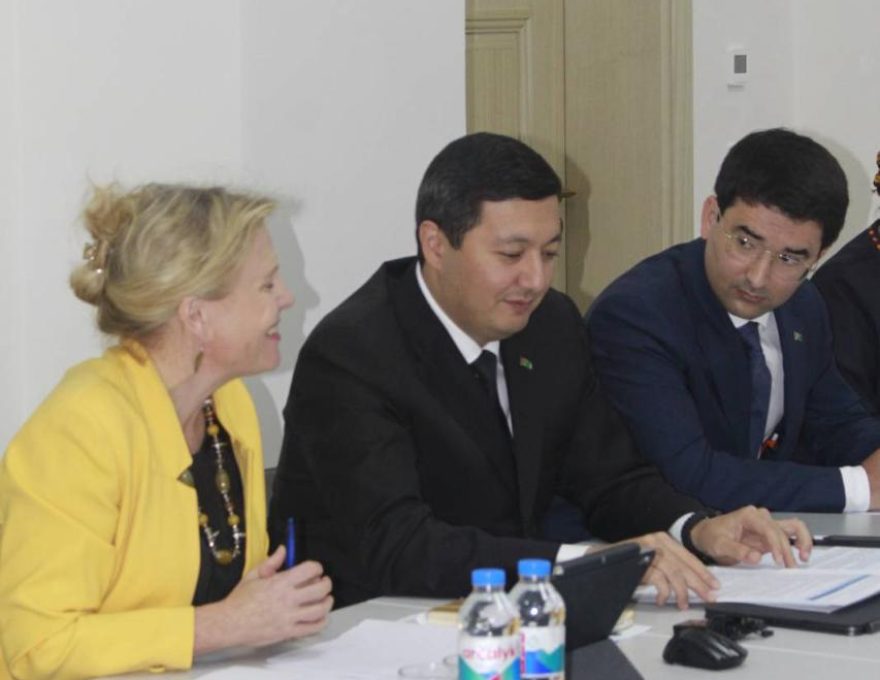
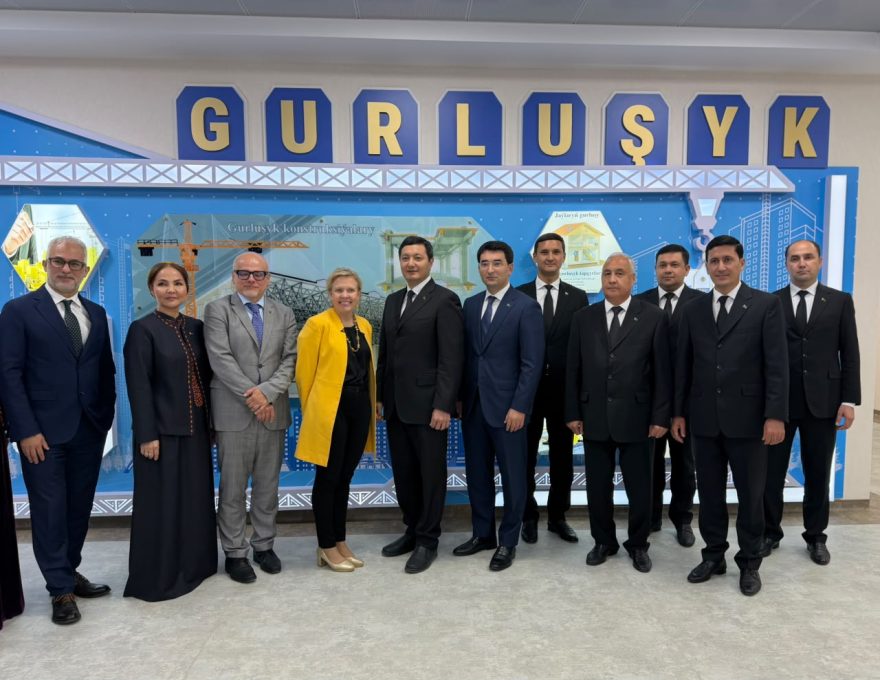
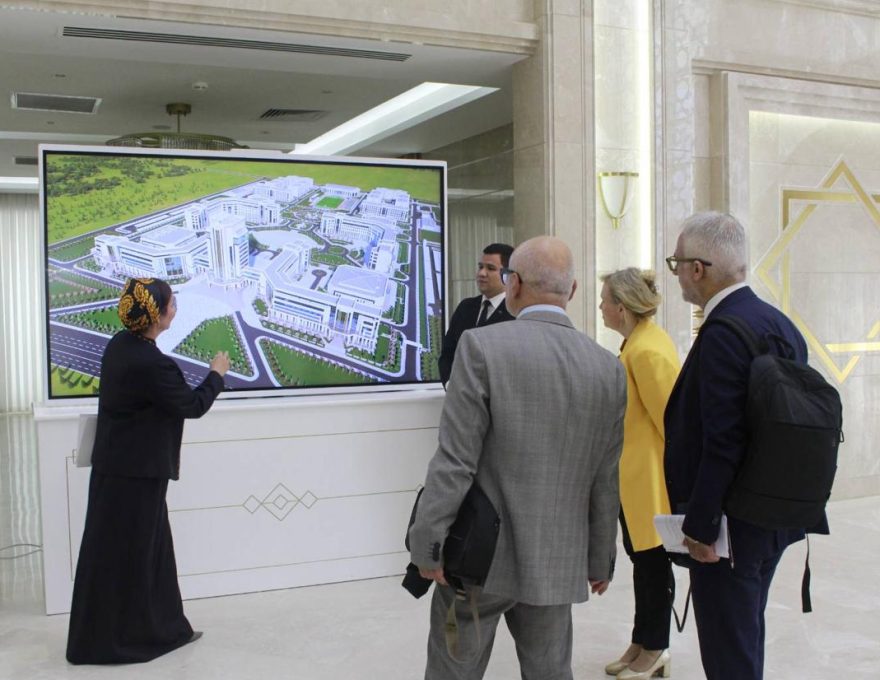
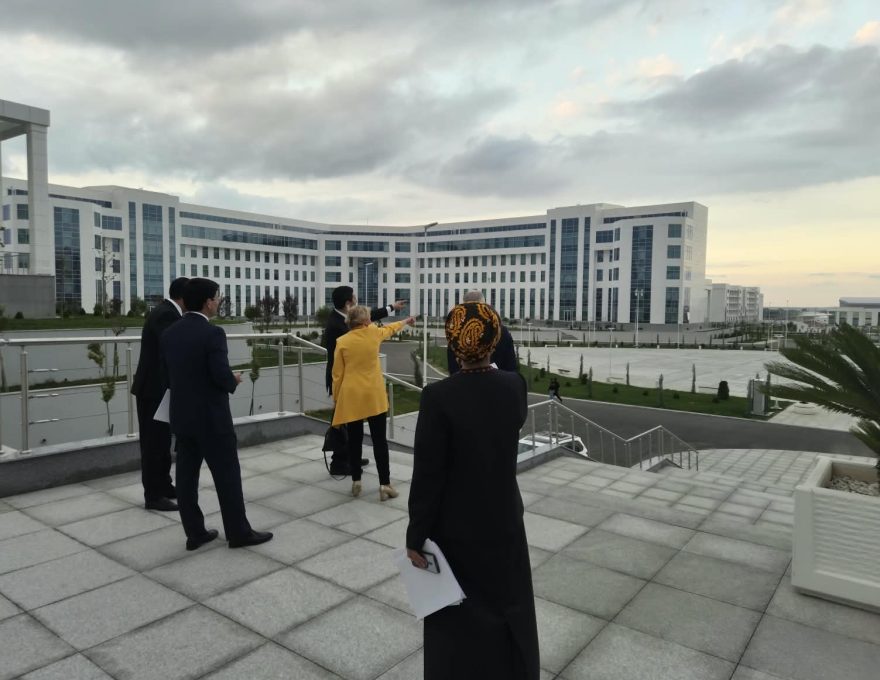
A high-level round table entitled “Turkmenistan – European Training Foundation: Human Capital as a Foundation of Connectivity” was held in Ashgabat, focusing on the further development of cooperation between Turkmenistan and the European Union in the fields of education, vocational training and human capital development.
The event brought together Deputy Minister of Education of Turkmenistan Azat Atayev, Director of the European Training Foundation Ms. Pilvi Torsti, the EU mission to Turkmenistan, European educational and specialised institutions, as well as heads and representatives of relevant state bodies, higher education institutions and vocational education establishments of Turkmenistan. Ambassador of Turkmenistan to the Kingdom of Belgium and Head of the Mission of Turkmenistan to the European Union Sapar Palvanov also joined the round table.
The participants reviewed the results of long-standing cooperation between Turkmenistan, the European Union and the European Training Foundation, ongoing reforms in the national education system, the achievements of the DARYA programme, as well as prospects for making broader use of the European Union’s education-related instruments and programmes.
Particular attention was paid to expanding the participation of Turkmen higher education institutions, academics, researchers and students in Erasmus+ and Horizon Europe, developing academic mobility, joint educational programmes, mutual recognition of qualifications, improving the quality of vocational education and strengthening direct links between educational institutions of Turkmenistan and EU Member States.
The discussions highlighted the growing importance of education and human capital development in the context of the elevation of relations between Central Asia and the European Union to the level of a strategic partnership. Participants stressed that the implementation of major initiatives in transport connectivity, energy, digitalisation, climate cooperation and Global Gateway directly depends on the availability of qualified specialists, modern professional skills and comparable educational standards.
In his remarks, Ambassador Sapar Palvanov emphasised that behind every infrastructure, energy, transport or digital project stand the people who are expected to turn these initiatives into practical results. In this regard, human capital development should not be regarded as a separate area of cooperation, but as an integral part of the broader architecture of the strategic partnership between Turkmenistan and the European Union.
It was also underlined that education and youth development occupy a prominent place in Turkmenistan’s state policy. The country continues to invest in modern educational infrastructure, digital technologies, the improvement of education standards and stronger links between education, science, innovation and the needs of the economy.
Special attention was devoted to the DARYA programme supported by the European Union. The Turkmen side highly valued the programme’s practical contribution to skills development, the training of national trainers, the introduction of modern teaching approaches, engagement with employers and the improvement of specialist training. Interest was expressed in preserving and further developing the achievements of DARYA beyond the current stage of the programme.
The participants also discussed the prospects for developing a more coordinated Team Europe approach in the field of education, bringing together the potential of EU institutions, Member States, the European Training Foundation, European universities and specialised organisations around shared priorities for cooperation with Turkmenistan.
An important part of the discussion concerned preparations for the European Union’s next programming period for 2028–2034. The Turkmen side expressed its interest in ensuring that education, skills and human capital development receive an appropriate place among the priority areas of future cooperation with the European Union.
The round table also provided an opportunity to consider further steps aimed at strengthening cooperation between Turkmenistan, the European Union and the European Training Foundation, including regular dialogue on education and skills, broader academic exchanges, stronger university partnerships, further development of qualification systems and more active participation of Turkmenistan in European education and research programmes.
The event confirmed the shared interest of the parties in giving cooperation in education a more systematic, practical and long-term character, with human capital recognised as one of the key foundations of sustainable partnership between Turkmenistan and the European Union.