 NEWS
NEWS
A Brussels event highlighted Turkmenistan’s transit and logistics potential and its role in strengthening connectivity between Europe and Asia
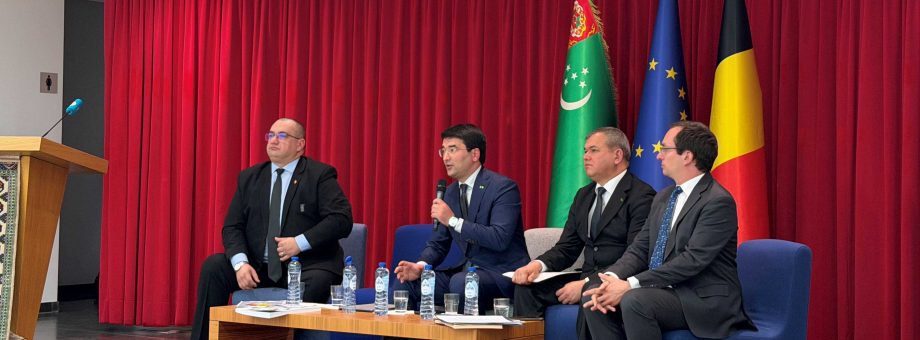
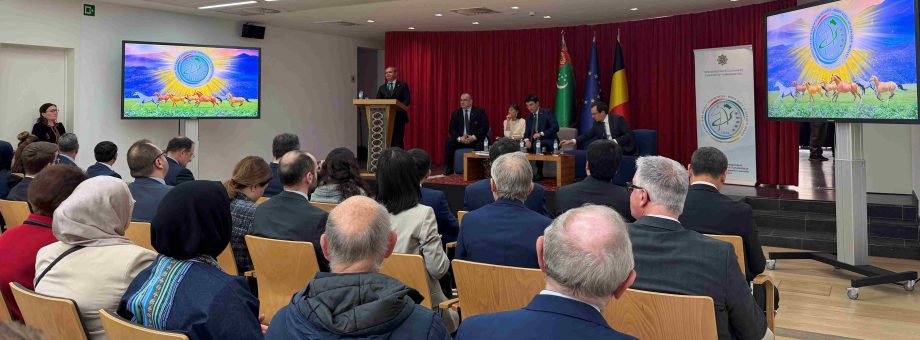
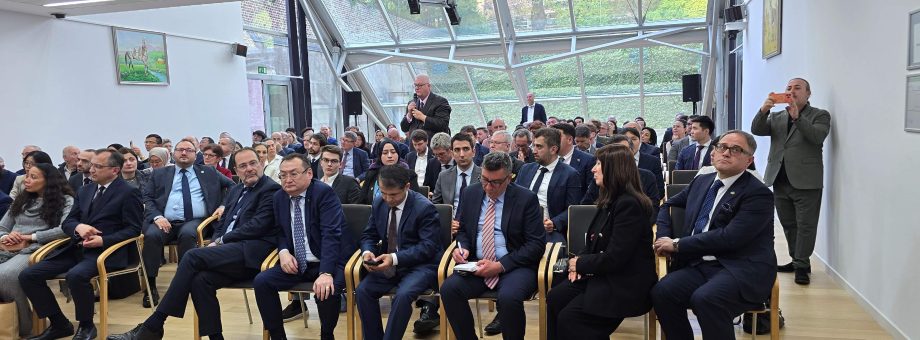
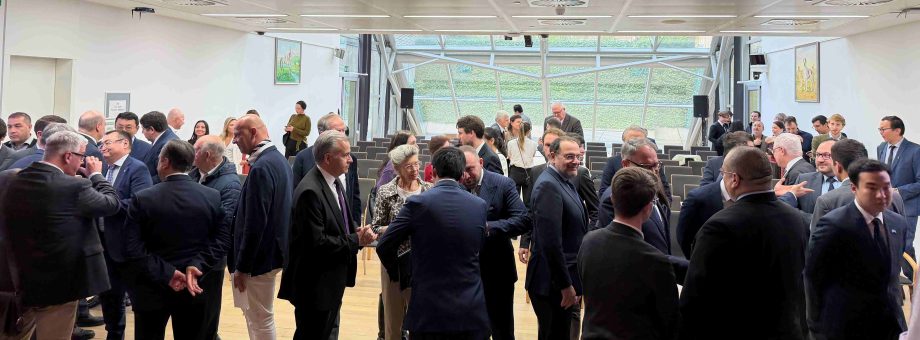
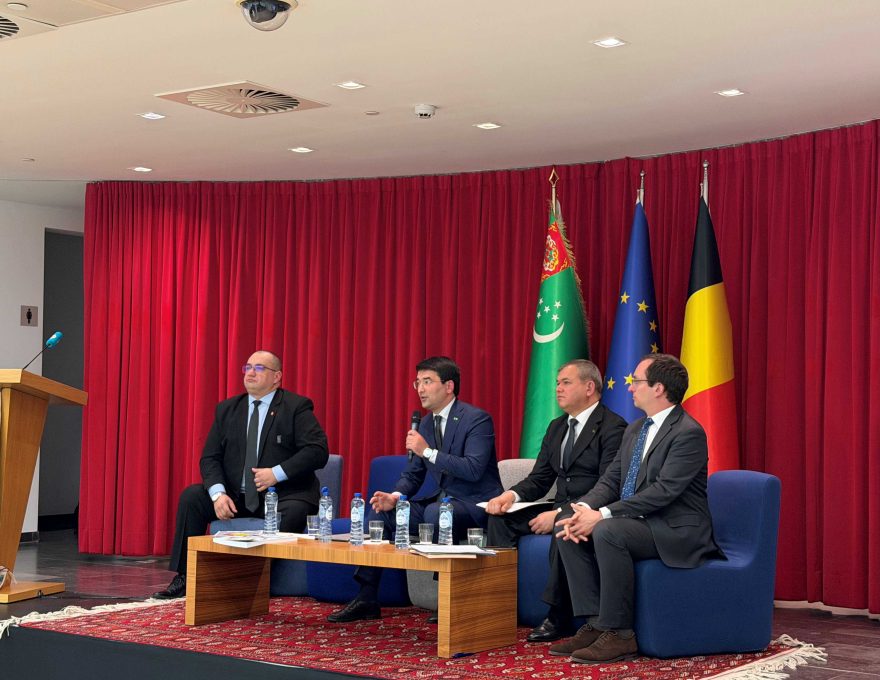
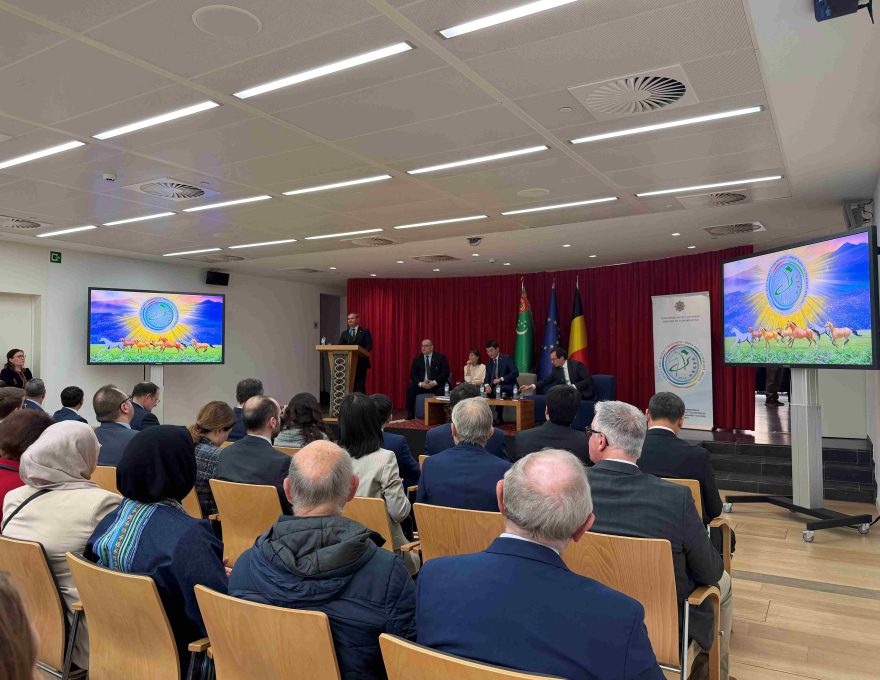
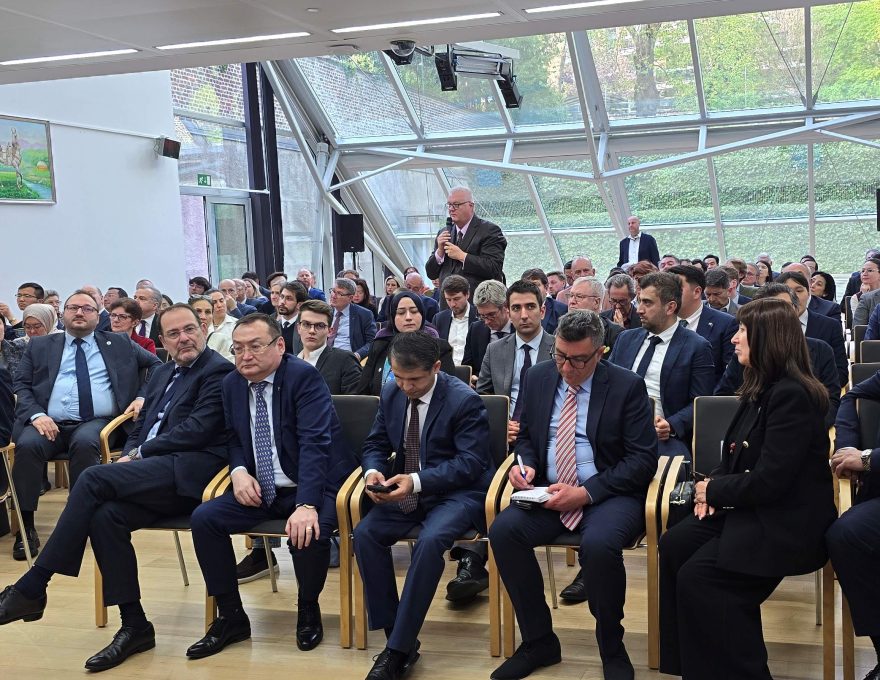
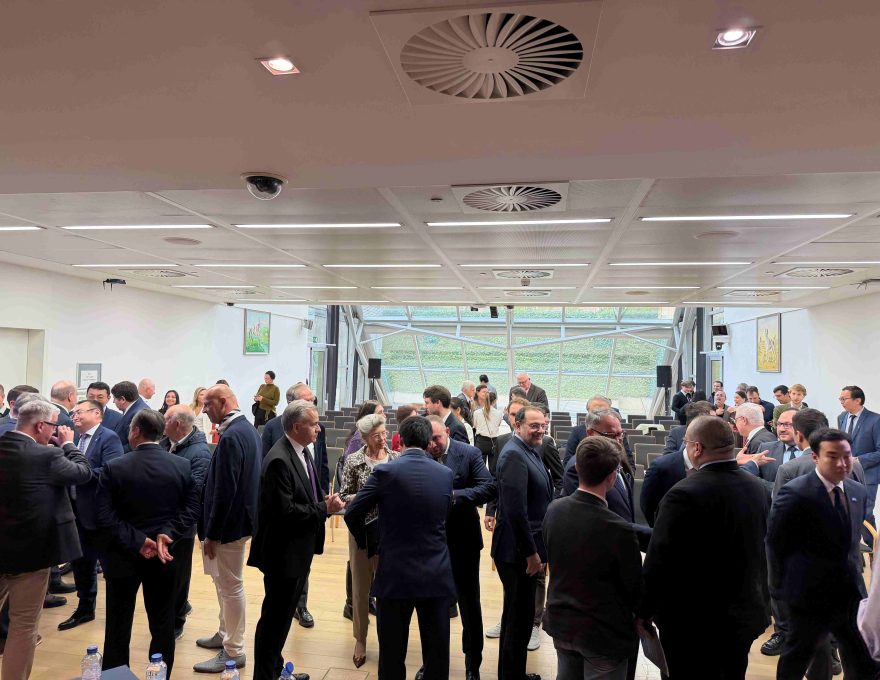
A thematic event entitled “Bridging Continents: Turkmenistan’s Evolving Transit and Logistics Potential” was held in Brussels, focusing on Turkmenistan’s transit and logistics potential, as well as its contribution to building sustainable, predictable, and efficient transport connectivity between Europe and Asia.
The event brought together ambassadors of foreign states accredited in Brussels, representatives of European institutions, analytical and research centers, business circles, specialized companies, and members of the media. Such a distinguished audience gave the discussion a broad international and cross-sectoral character. The event was moderated by Mr. Alberto Turkstra, Project Director of Diplomatic World.
The event opened with a presentation by the delegation of the State Customs Service of Turkmenistan, which outlined Turkmenistan’s key achievements in developing the country’s transit and logistics potential, including the modernization of the customs system and the improvement of procedures at border crossing points.
During his presentation, Mr. Kerim Berdiyev, representative of the State Customs Service of Turkmenistan, provided a detailed overview of the practical measures being implemented by Turkmenistan to modernize its customs system, digitalize procedures, increase the capacity of border crossing points, and reduce cargo clearance time. It was noted that the consistent introduction of modern standards and risk management tools contributes to more efficient transit operations and helps create a more transparent and user-friendly environment for international carriers.
Mr. Sapar Palvanov, Ambassador of Turkmenistan to the Kingdom of Belgium, also addressed the participants. In his remarks, he emphasized that, in today’s international environment, transport and logistics are no longer simply matters of infrastructure and trade, but have become an important element of the resilience, reliability, and predictability of the wider international economic system. He underlined that, situated at the crossroads of the major East-West and North-South routes, Turkmenistan views its geographical position not only as an advantage, but also as a serious responsibility to serve as a reliable and effective link in the international transport architecture.
He placed particular emphasis on Turkmenistan’s steady efforts to strengthen its position as an important transit and transport hub in Eurasia. In this context, he highlighted the country’s systematic work to develop road, rail, port, and customs infrastructure, as well as the introduction of digital solutions aimed at accelerating procedures and reducing cargo transit time. Particular attention was given to the modernization of the Turkmenbashi International Seaport, the development of modern highways, and the improvement of the customs system as one of the key factors in enhancing the competitiveness of international transport corridors.
The event also featured remarks by Ms. Charlotte Adriaen, Head of Unit at the European Commission’s Directorate-General for International Partnerships (DG INTPA), and Mr. Cristian Terheș, Member of the European Parliament and member of the European Parliament’s Committee on Foreign Affairs (AFET). During the discussion, the growing interest of European institutions and relevant stakeholders in transport connectivity with Central Asia was noted, particularly in the context of strengthening supply chain resilience, developing the Trans-Caspian Corridor, and expanding practical cooperation in logistics, infrastructure, and customs administration.
Special attention during the discussion was given to the fact that the effectiveness of international transport corridors depends not only on the availability of roads, railways, and ports, but also on the quality of procedures, the level of digitalization, the speed of clearance, the transparency of processes, and the overall predictability of cargo movement. In this regard, participants noted the practical importance of Turkmenistan’s efforts aimed at accelerating transit, modernizing border crossing points, and developing a modern logistics ecosystem.
Speakers and participants also underlined the growing role of both Turkmenistan and Central Asia as a whole in strengthening connectivity between the two continents. It was noted that, against the backdrop of transforming global supply chains, overloaded traditional routes, and increasing geopolitical risks, the importance of reliable, diversified, and resilient transport routes through Central Asia is growing significantly. In this context, Turkmenistan was described as a stable, predictable, and responsible partner that is making a consistent contribution to the development of modern Eurasian transport architecture.
The event served as a convenient platform for substantive and constructive dialogue among representatives of the diplomatic corps, European institutions, the expert community, business circles, and the media.